










Endurance is the Key to Sustaining High Performance
Threshold power, professional endurance, and the productive discomfort required to sustain high performance over time.
Read on LinkedIn ↗01 — Profile
My career has taken me across industries, ideas, places and pursuits. Each new perspective has challenged what I thought I knew and revealed another way of seeing the world.
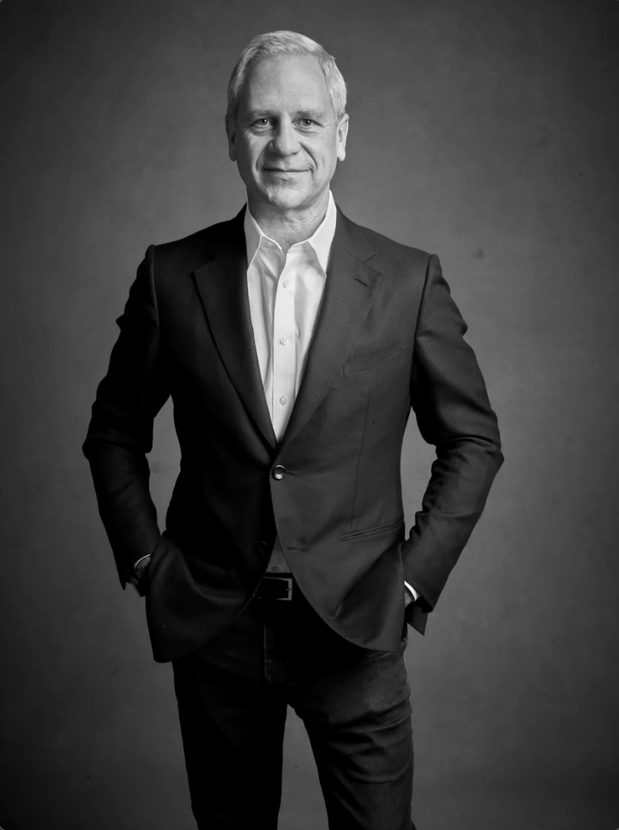
I have been fortunate to work in very different places. Each has left me with new questions — and a new way of seeing others.
Today, I serve as President and Chief Executive Officer of Strategic Education, Inc., which serves working-adult students in the United States and Australia. I joined the company as Chief Operating Officer in 2006, joined the board in 2011, and became chief executive in 2013.
Earlier roles took me through healthcare, investment banking, logistics, consumer products and entertainment. Moving among those fields taught me how useful it can be to enter a subject as a beginner: to look closely, ask questions and notice connections that are easy to miss from inside a single discipline.
Selected organizations





Four frameworks I develop in The Frontier Expander for seeing how companies and careers create, lose and renew distinctiveness.
A company’s theory can be decomposed into four bets: revenue, expense, capital and distinctiveness. Make each bet visible, and reality can grade it.
Power-law rewards, creative destruction, Pareto frontiers and diminishing returns explain why value concentrates — and why every advantage eventually decays.
A leader who repeatedly sees a distinctive possibility, turns it into adopted value and sustains the effort long enough for the frontier to move.
The highest level of high-quality performance and clear judgment a person can sustain under resistance — and a capacity that can be trained.
02 — The Book
Why some companies and careers pull away — and what the best leaders do differently.
Fall 2026 · Nonfiction, Business & Leadership
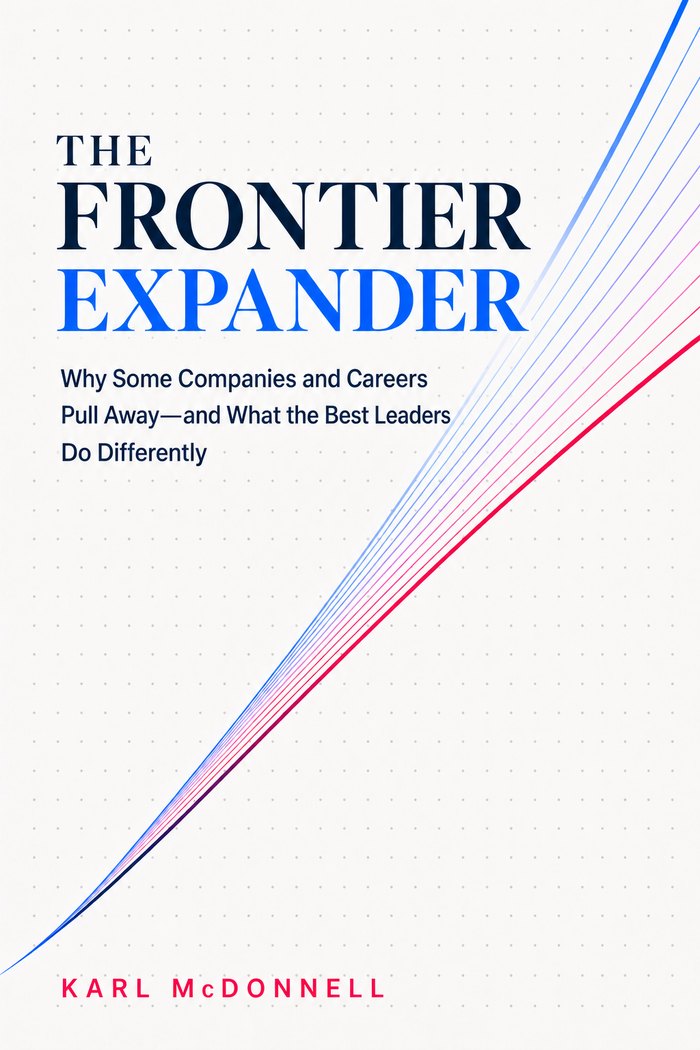
What is a company?
Ask ten people and you get ten reasonable answers. A legal entity. A collection of assets. A group of employees, a producer of goods and services, an investment. All of them true. None of them captures what a company actually is.
At its core, a company is a theory — about who the customer is, about what problem matters, about how value will be created, and above all about why this company can win where others cannot. If every company is a theory, the market is the experiment.
Between 1990 and 2025, roughly 79 percent of the companies in the S&P 500 turned over. Among the Russell 2000 it reached 96 percent. These were real companies with real customers and capable people. The remarkable thing is not that companies fail. It is that a small number consistently escape.
A company is a theory. The market is the experiment.
Not a description of what winners did. The physics they were operating under.
A handful of firms capture most of the value created. The distribution is not a bell curve, and planning as though it were is the first mistake.
A new theory does not have to be perfect. It only has to be better than the one it replaces. Uber did not need to be the perfect transport system; it needed to beat hailing a taxi.
Past a point, optimization stops producing gains and starts producing exhaustion. Most firms mistake a frontier problem for an execution problem.
Every advantage decays. The question is not whether yours will, but whether you are building the next one while this one still works.
What the leaders who keep expanding their frontier appear to have in common.
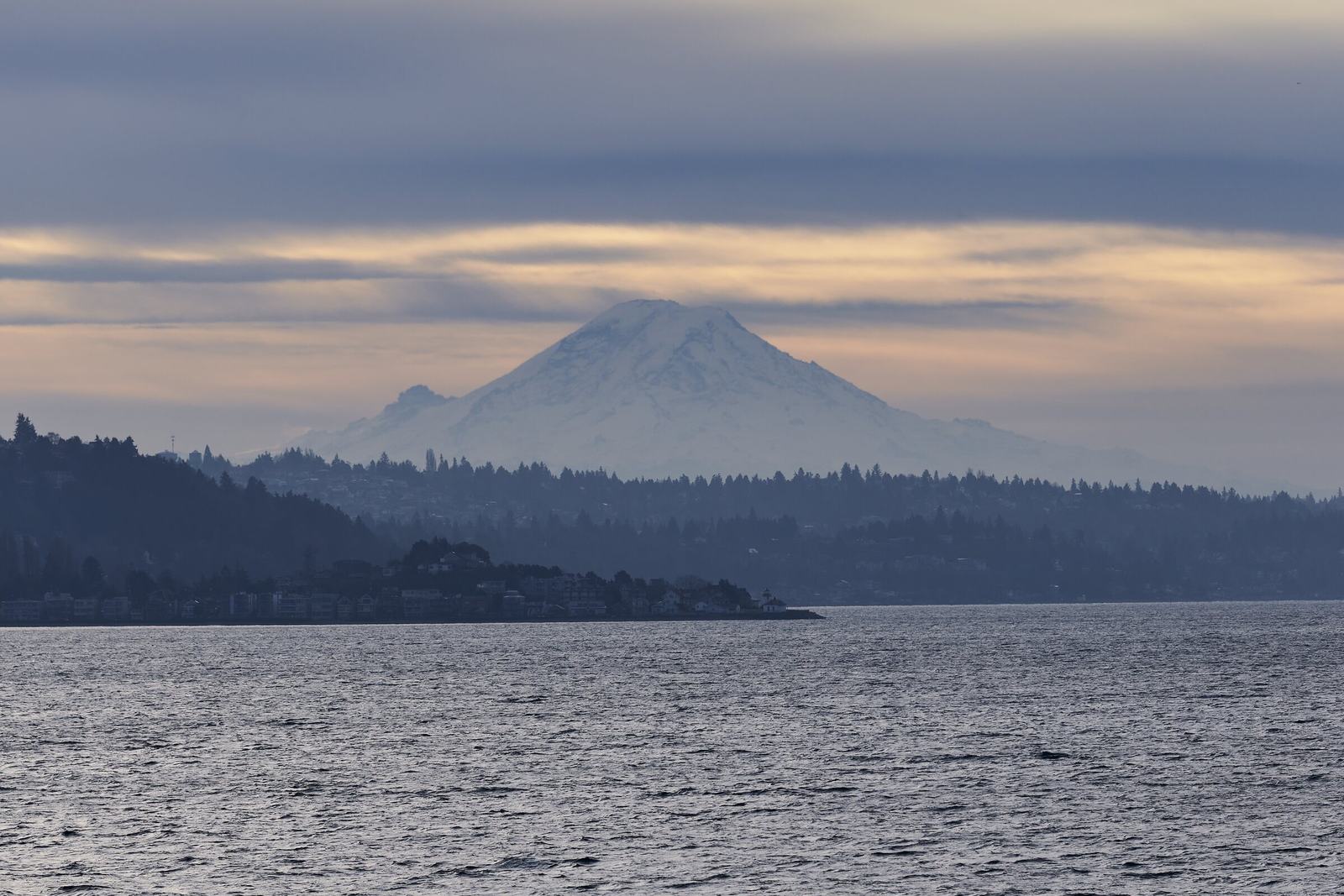
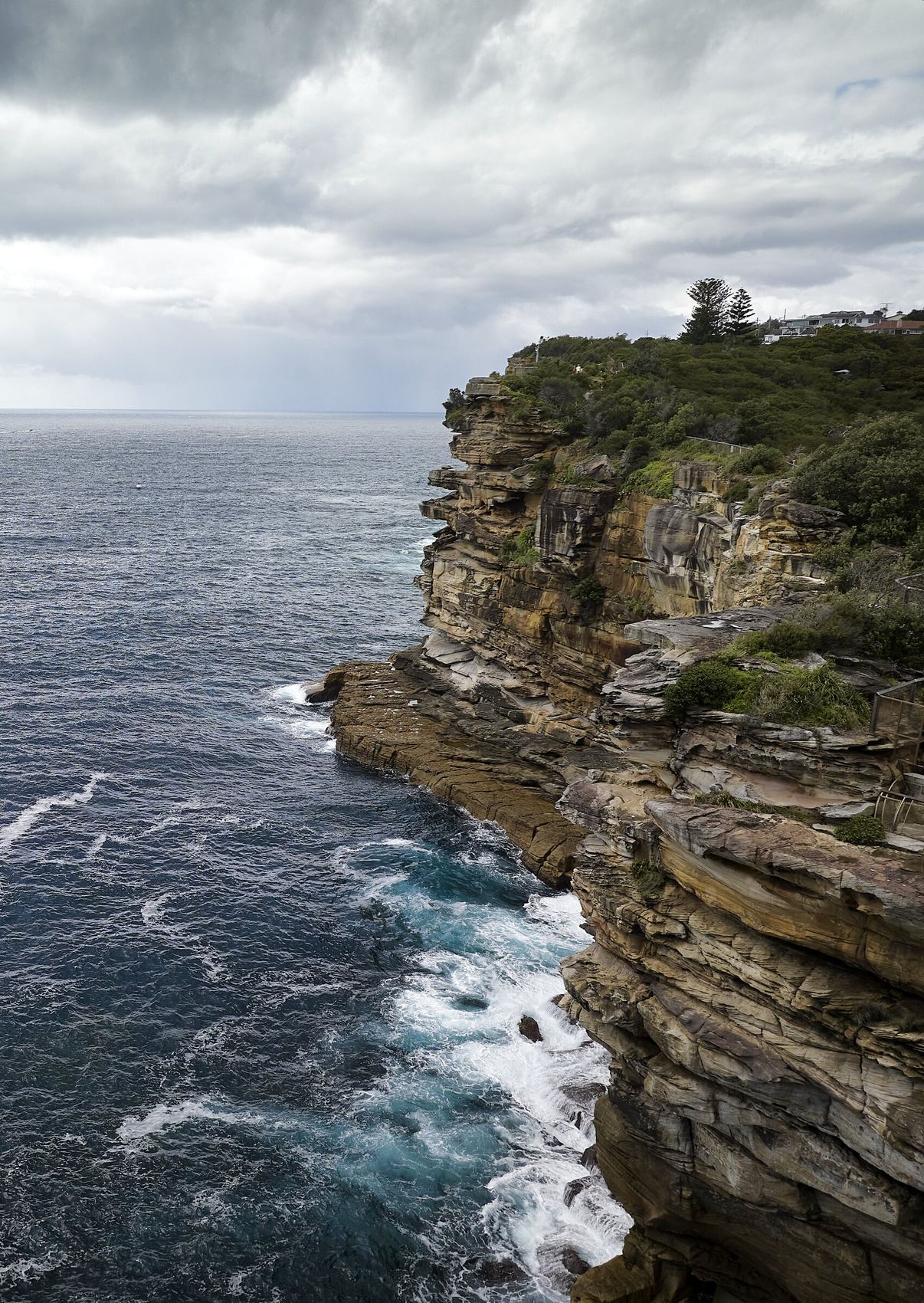
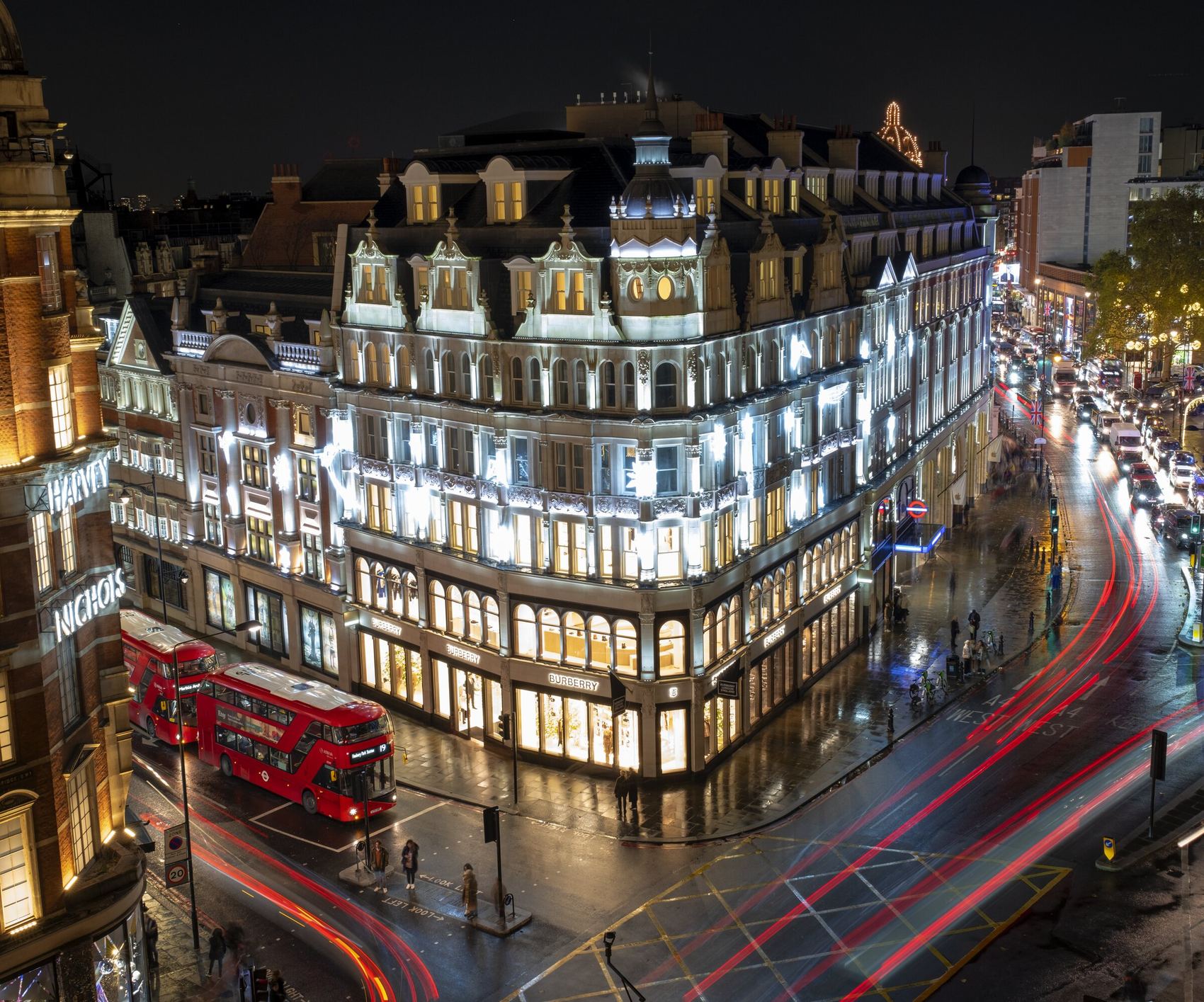
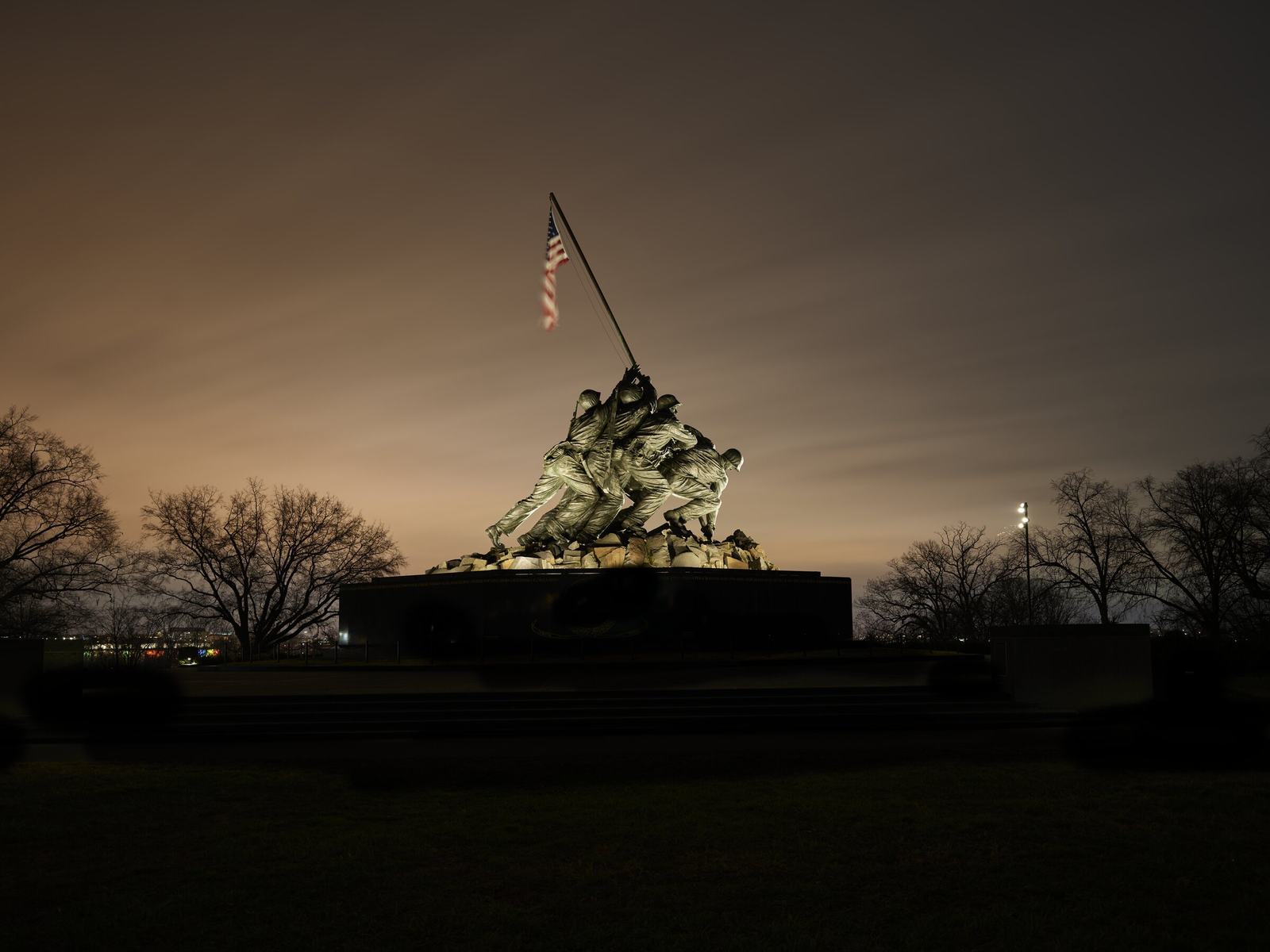
03 — Photography
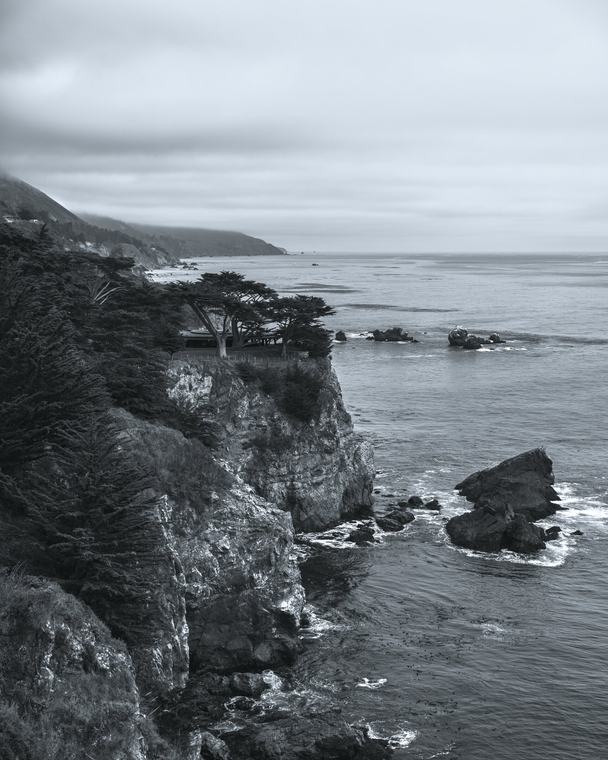
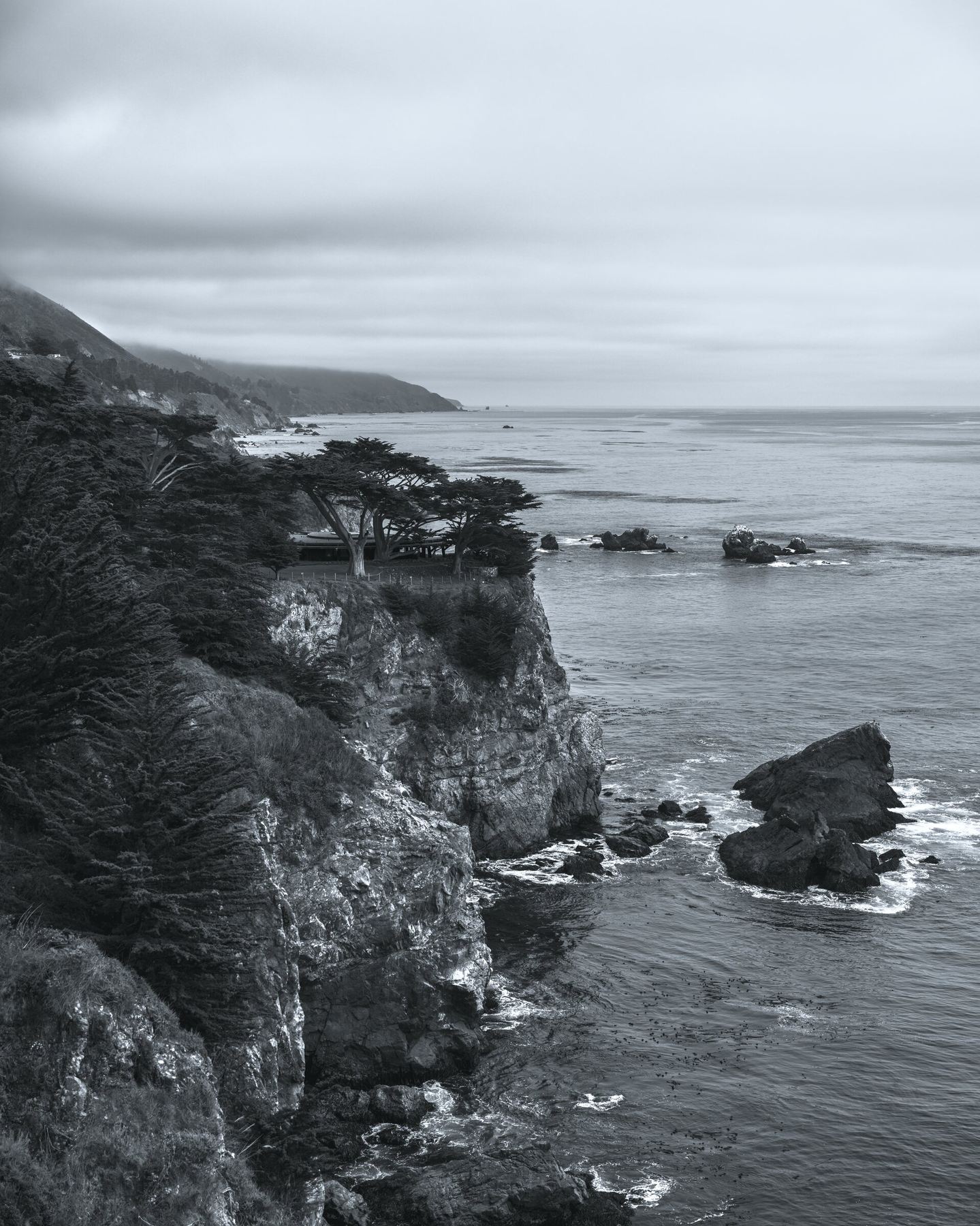
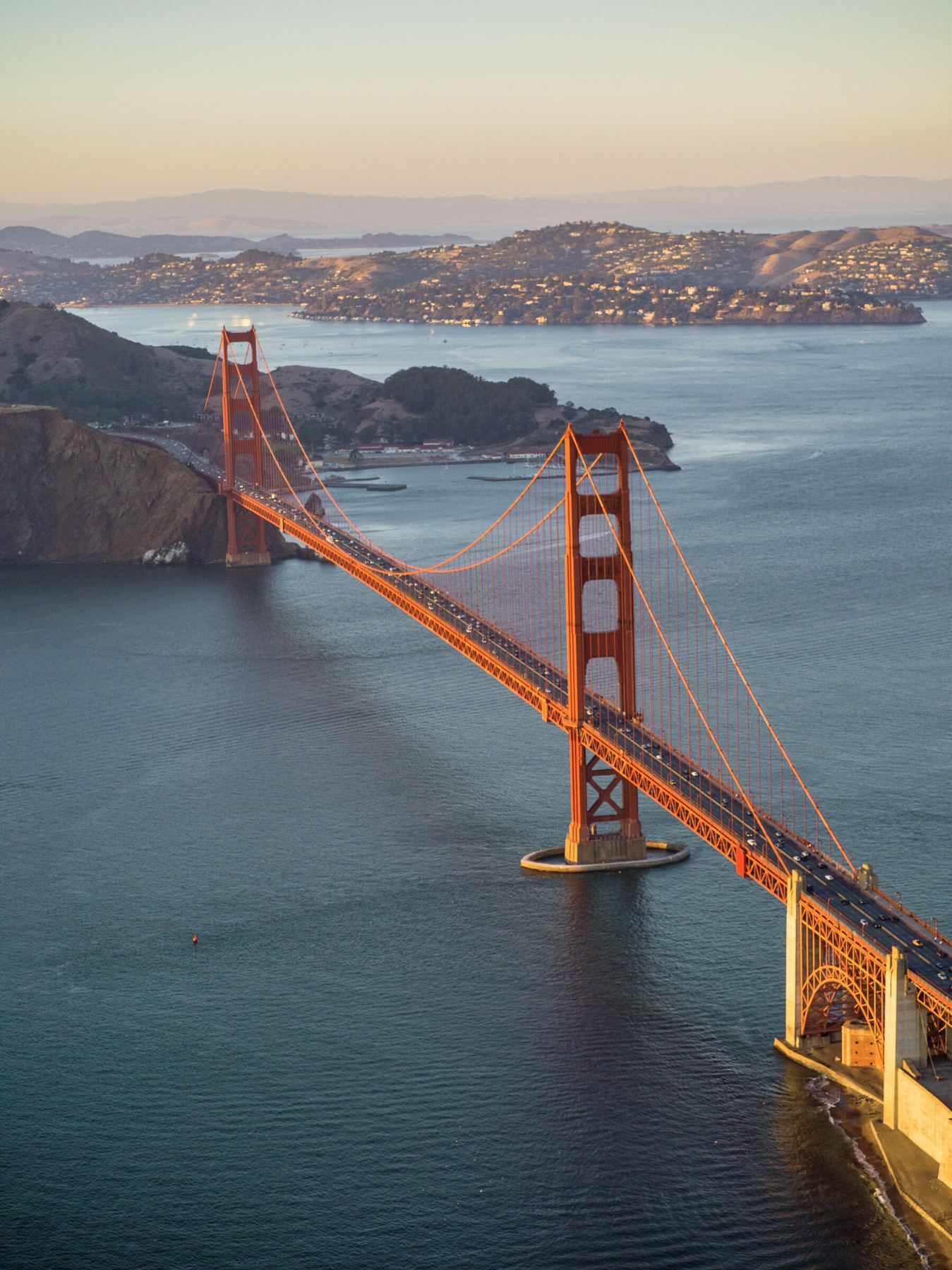
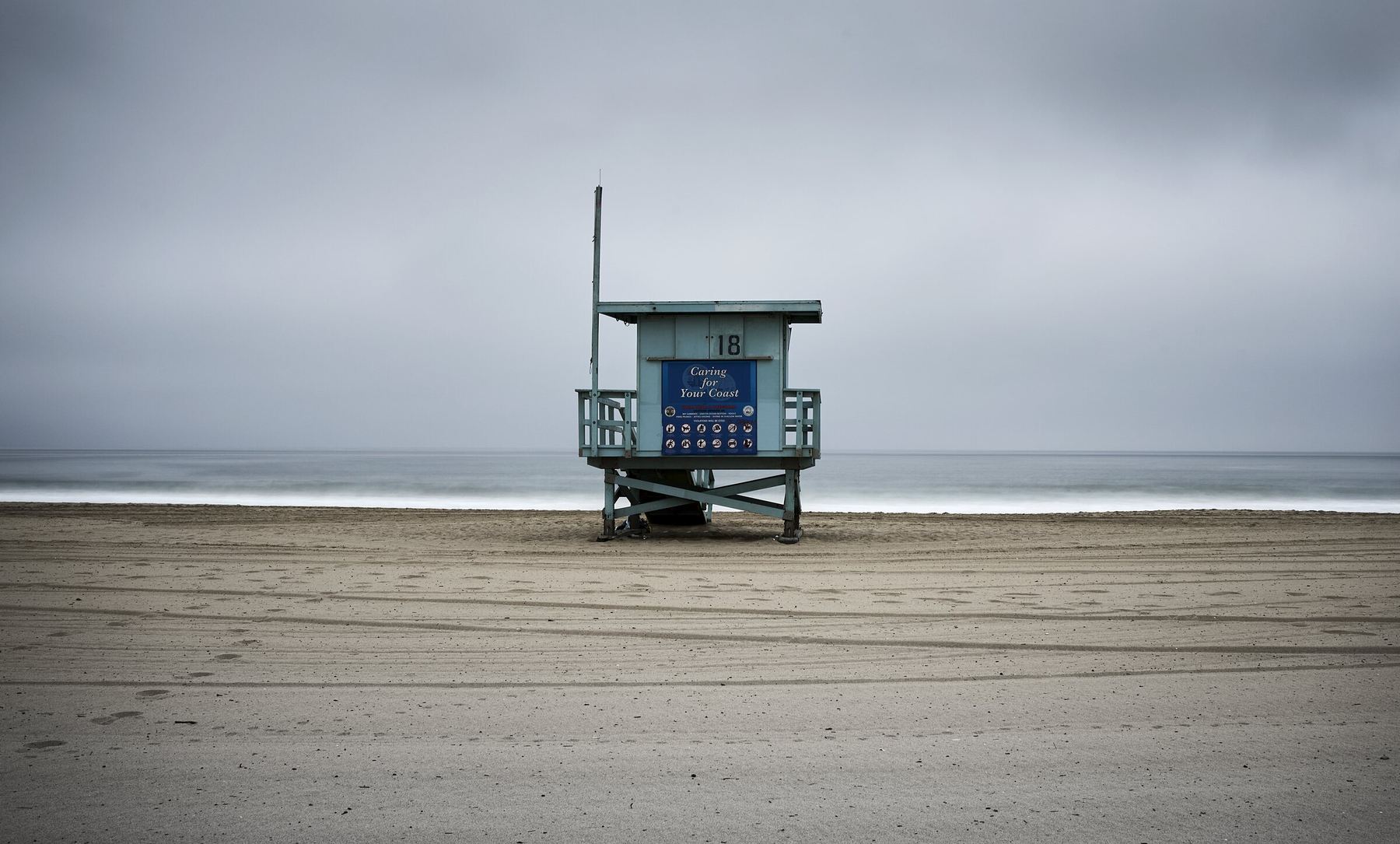
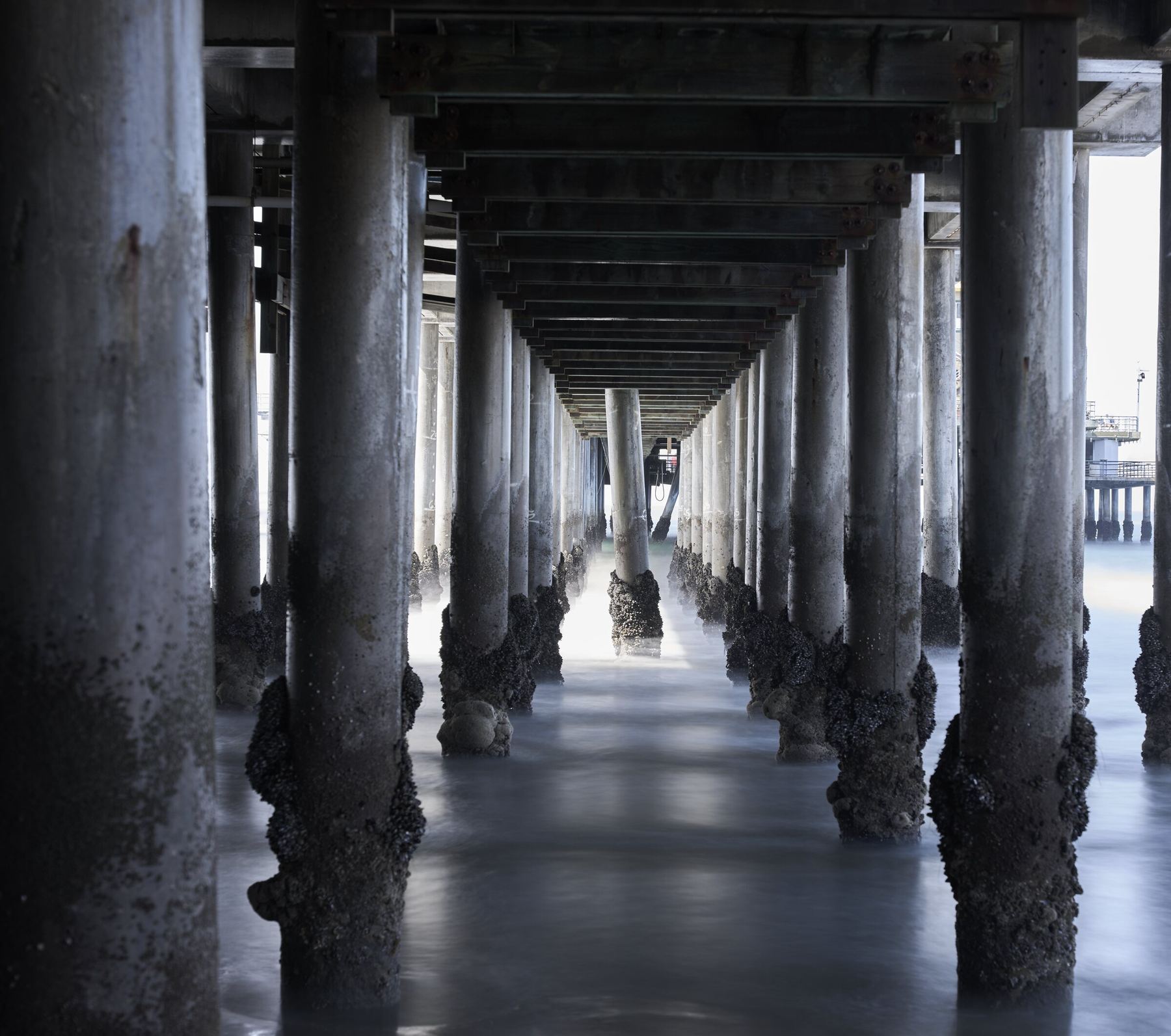
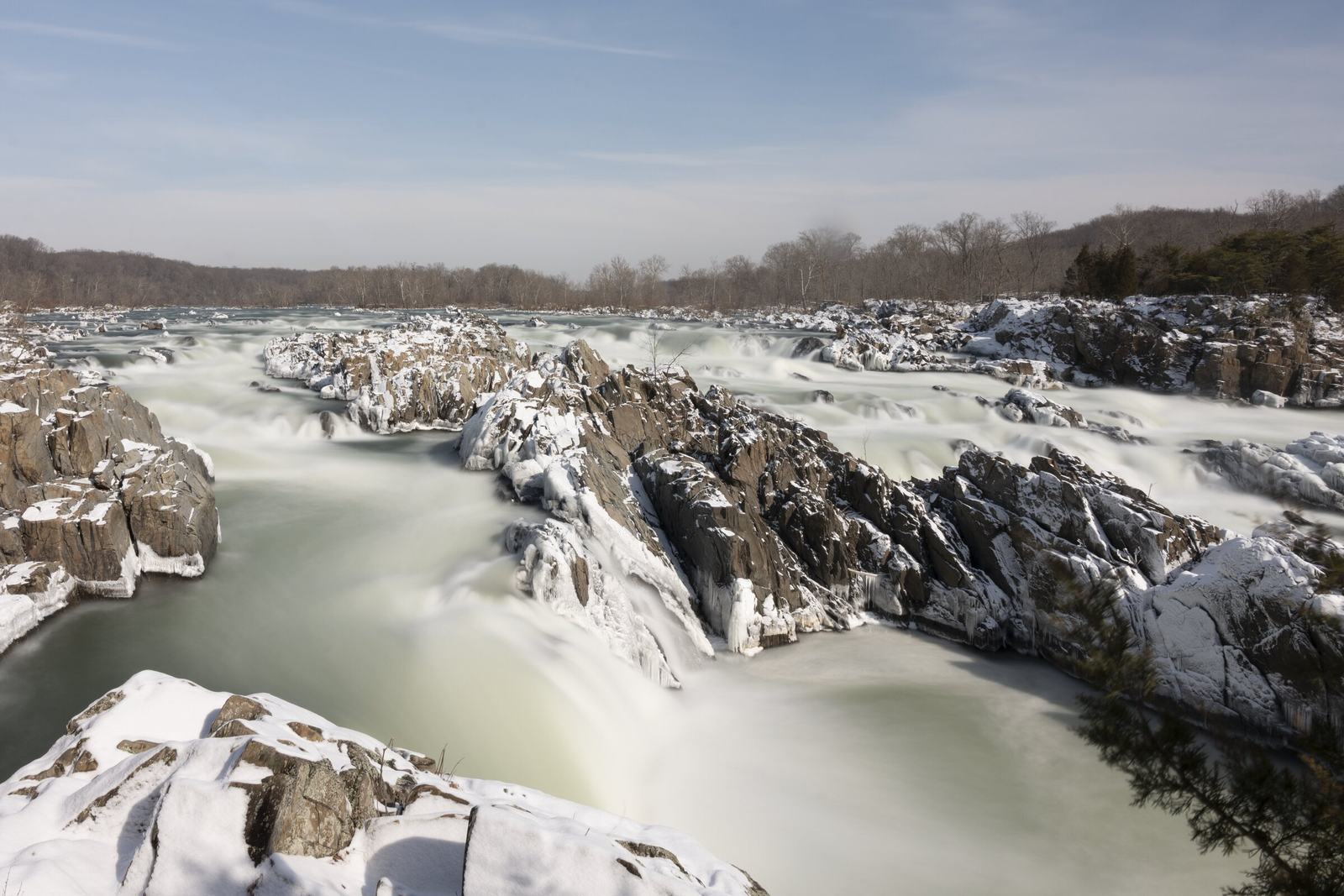
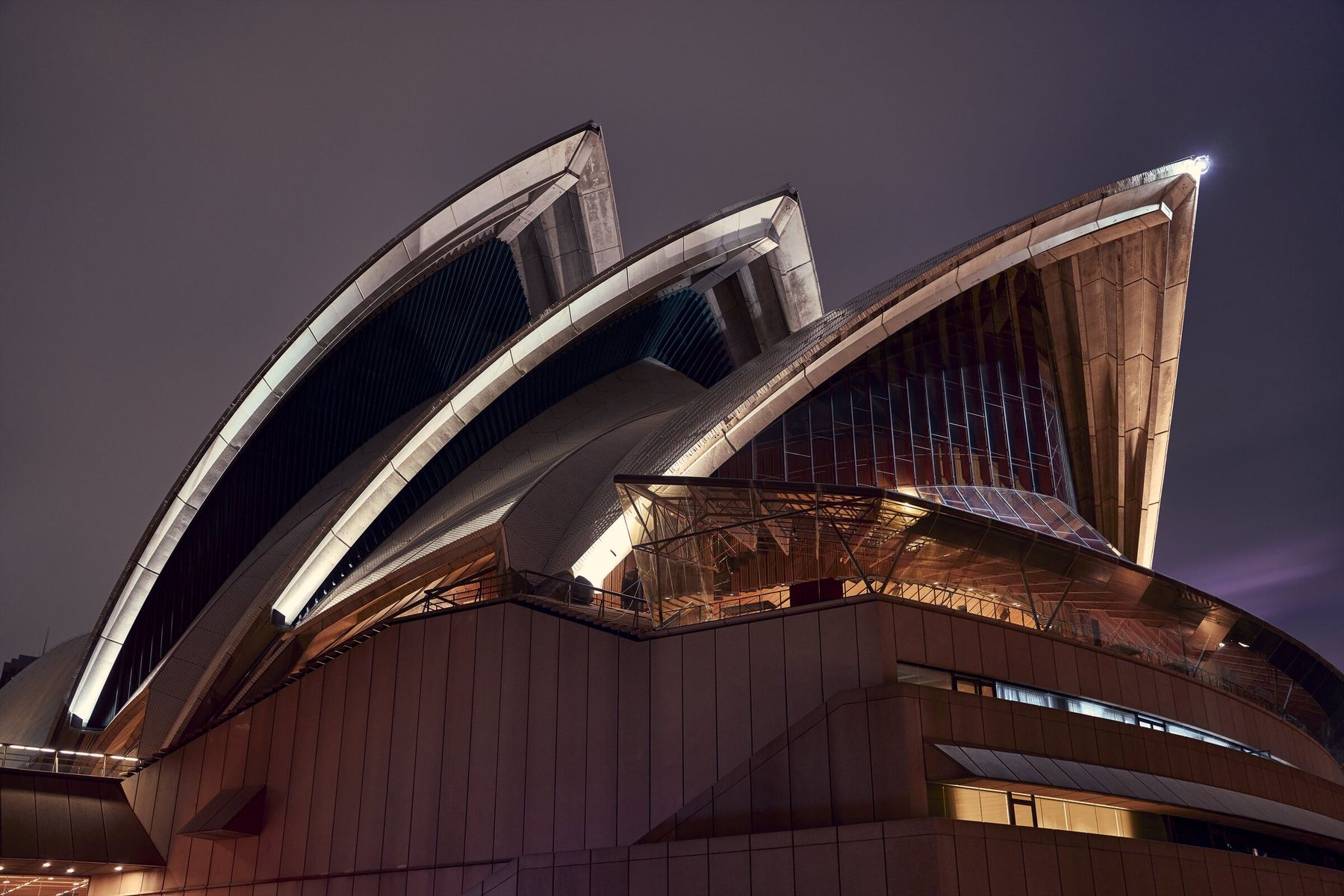
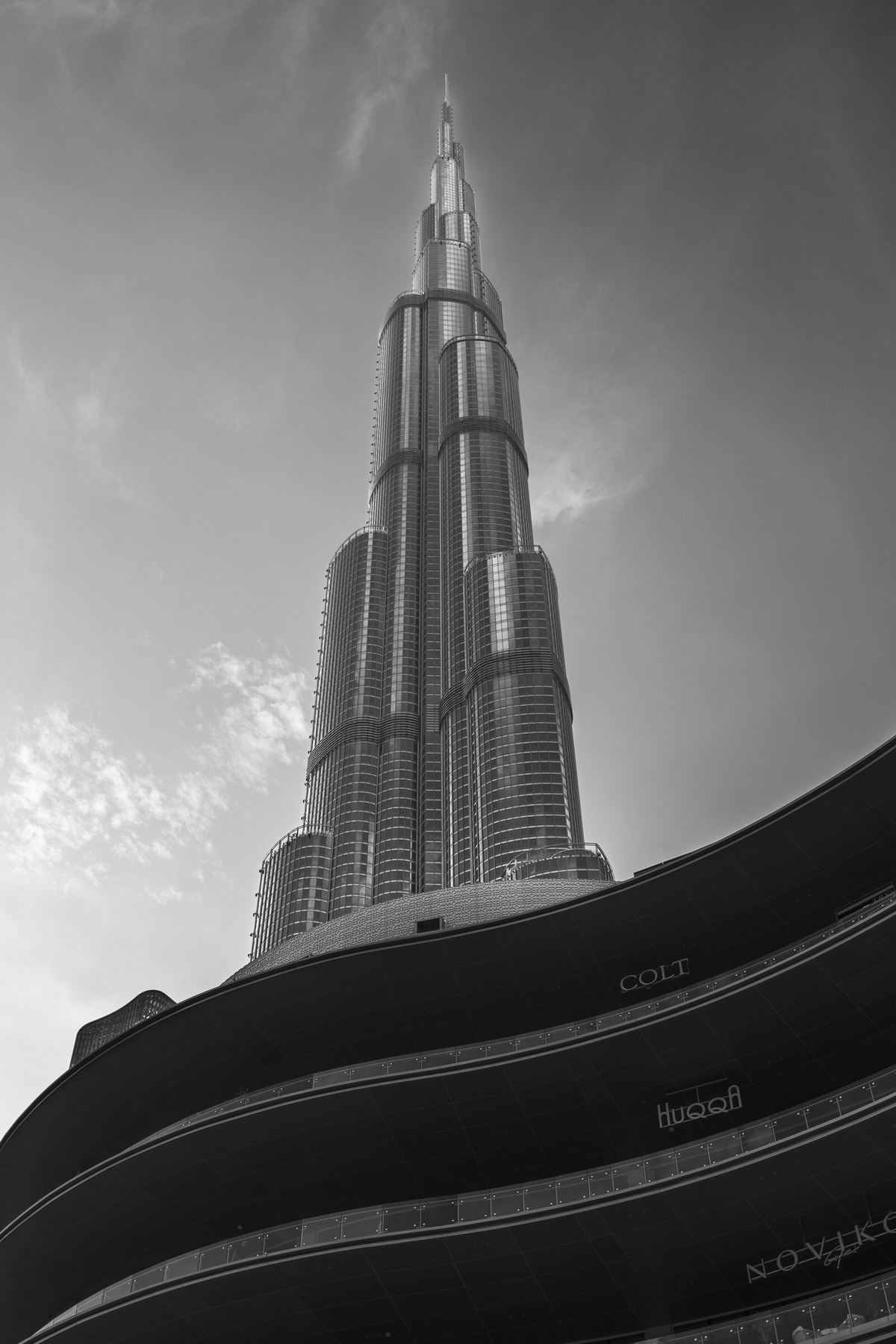
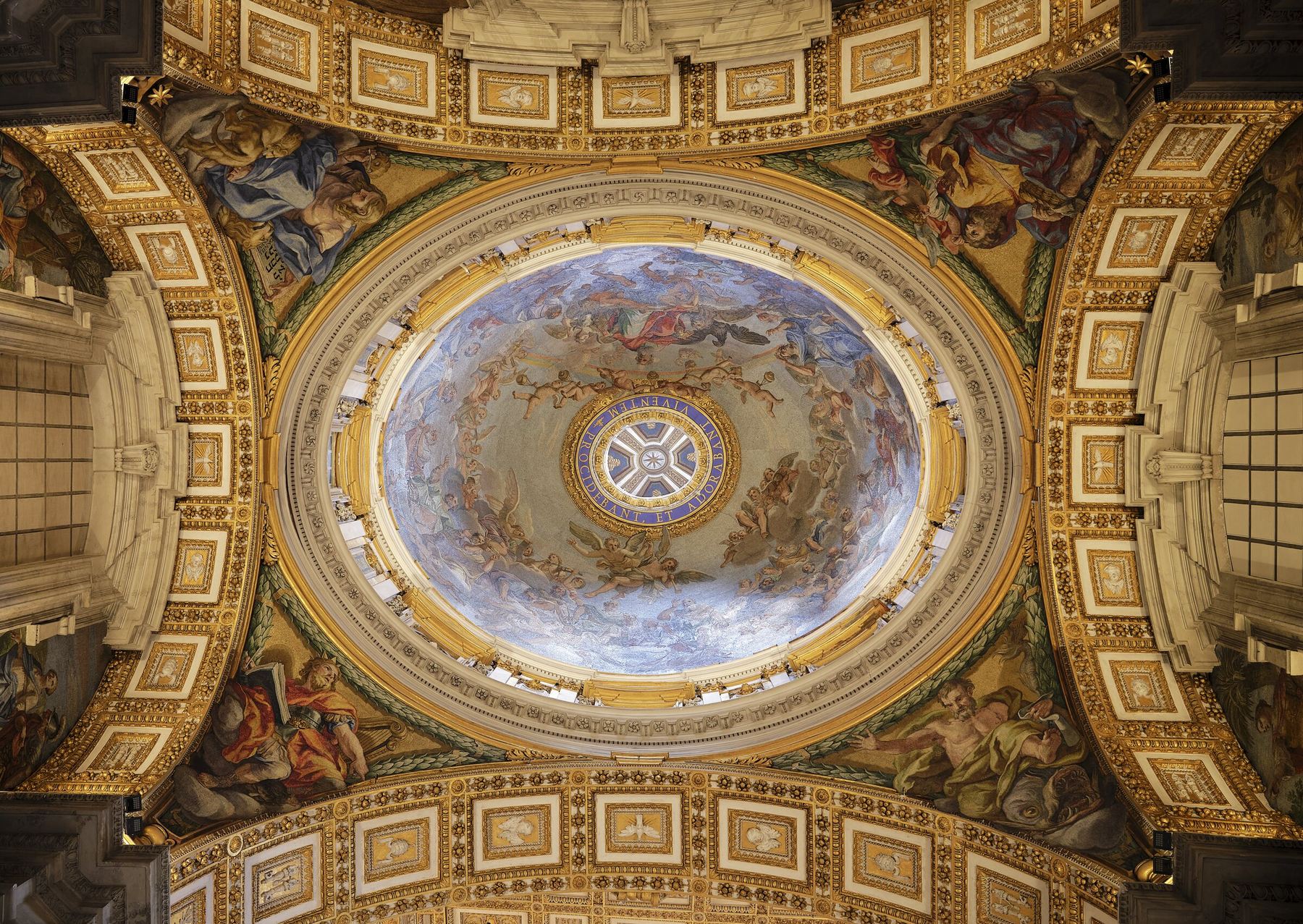
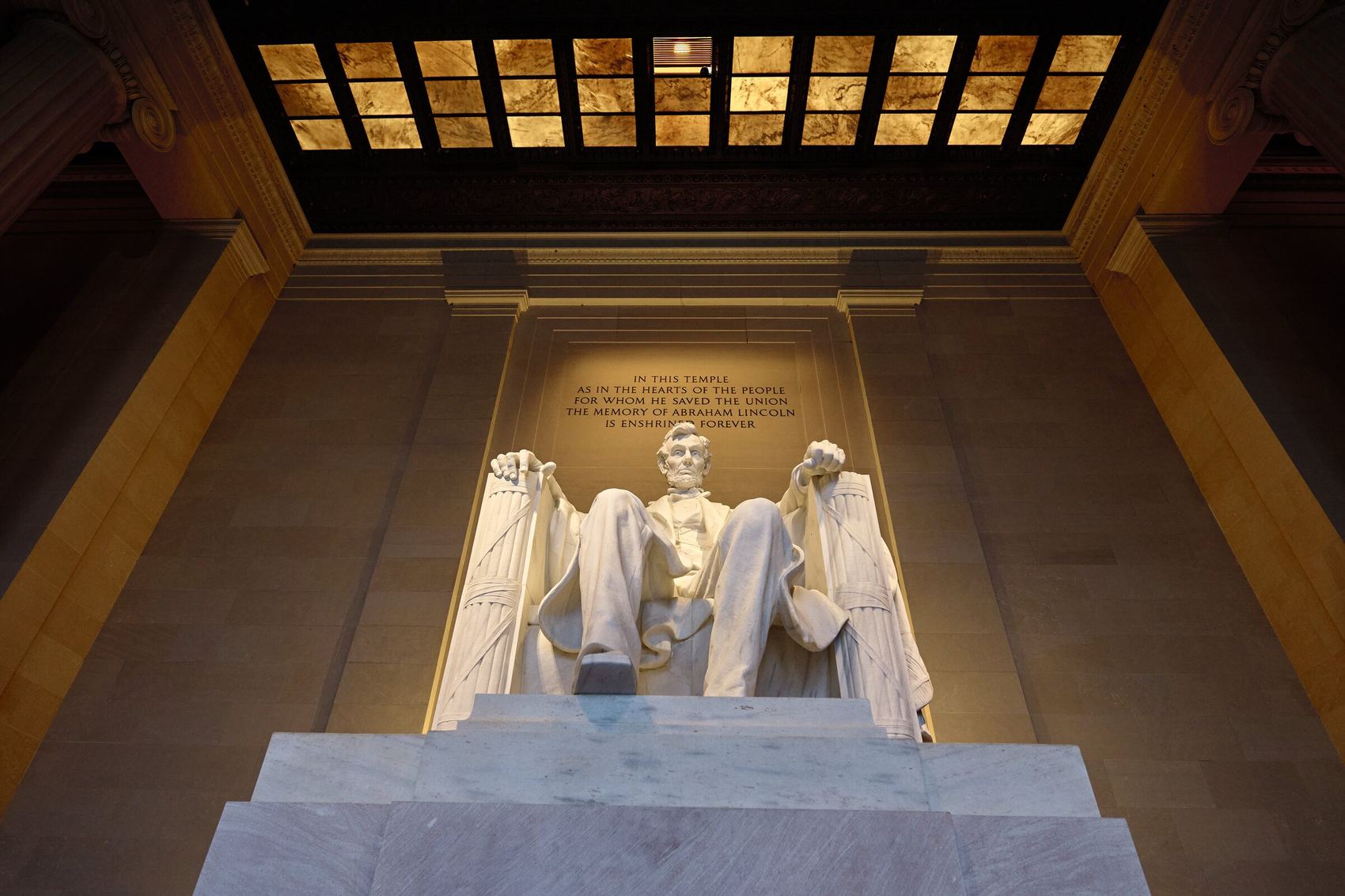
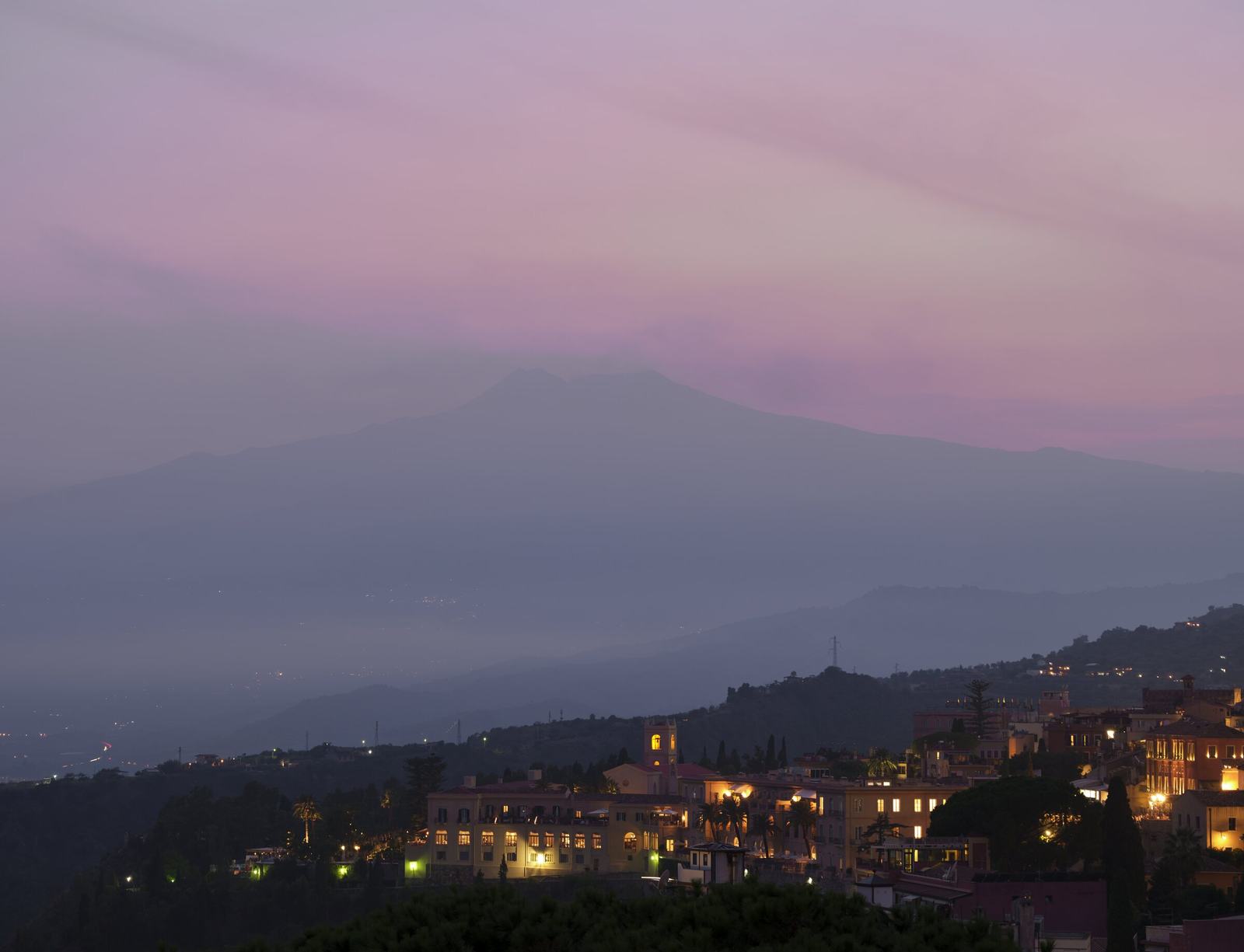
25 photographs in five groups
04 — Cycling
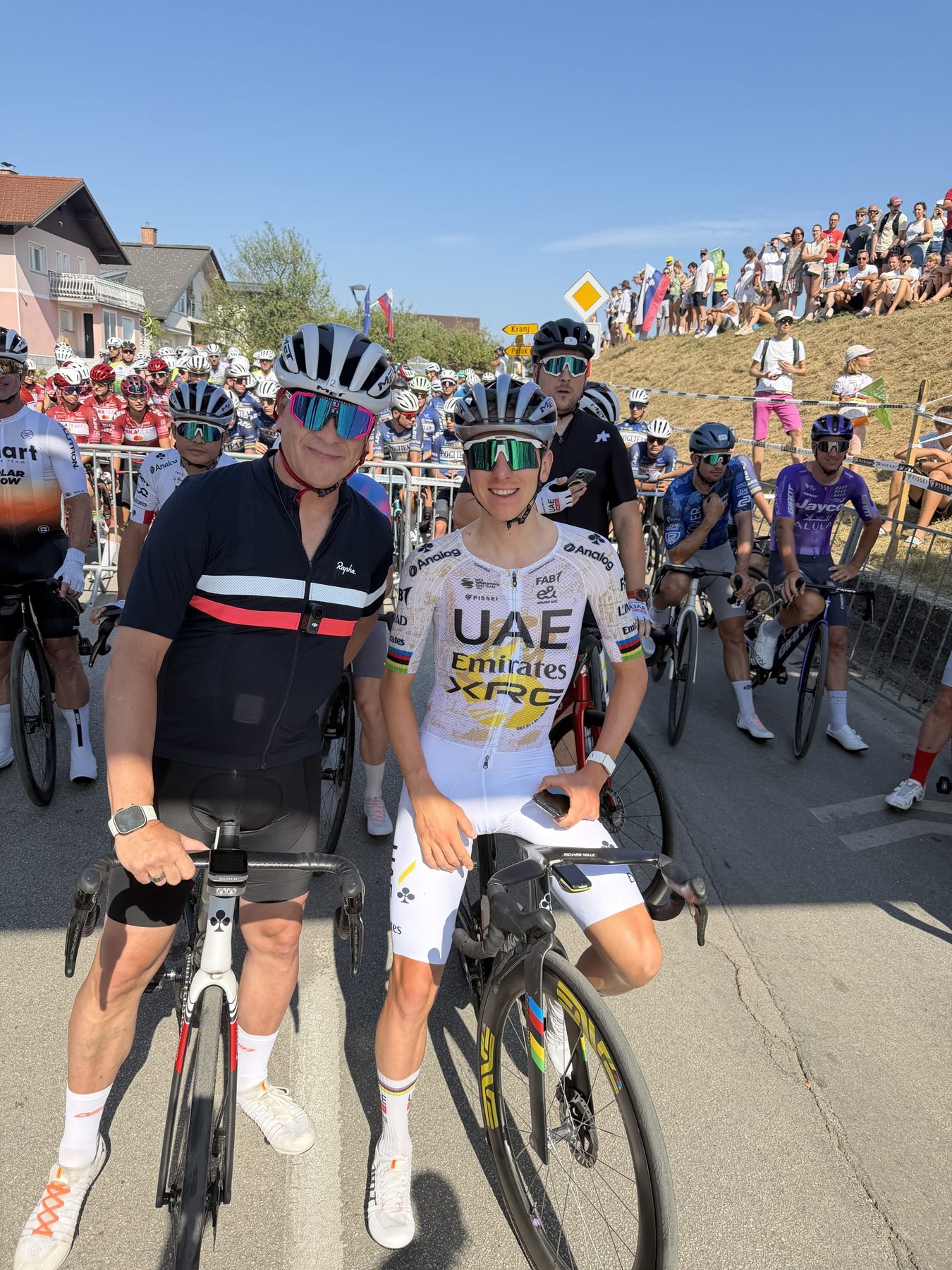
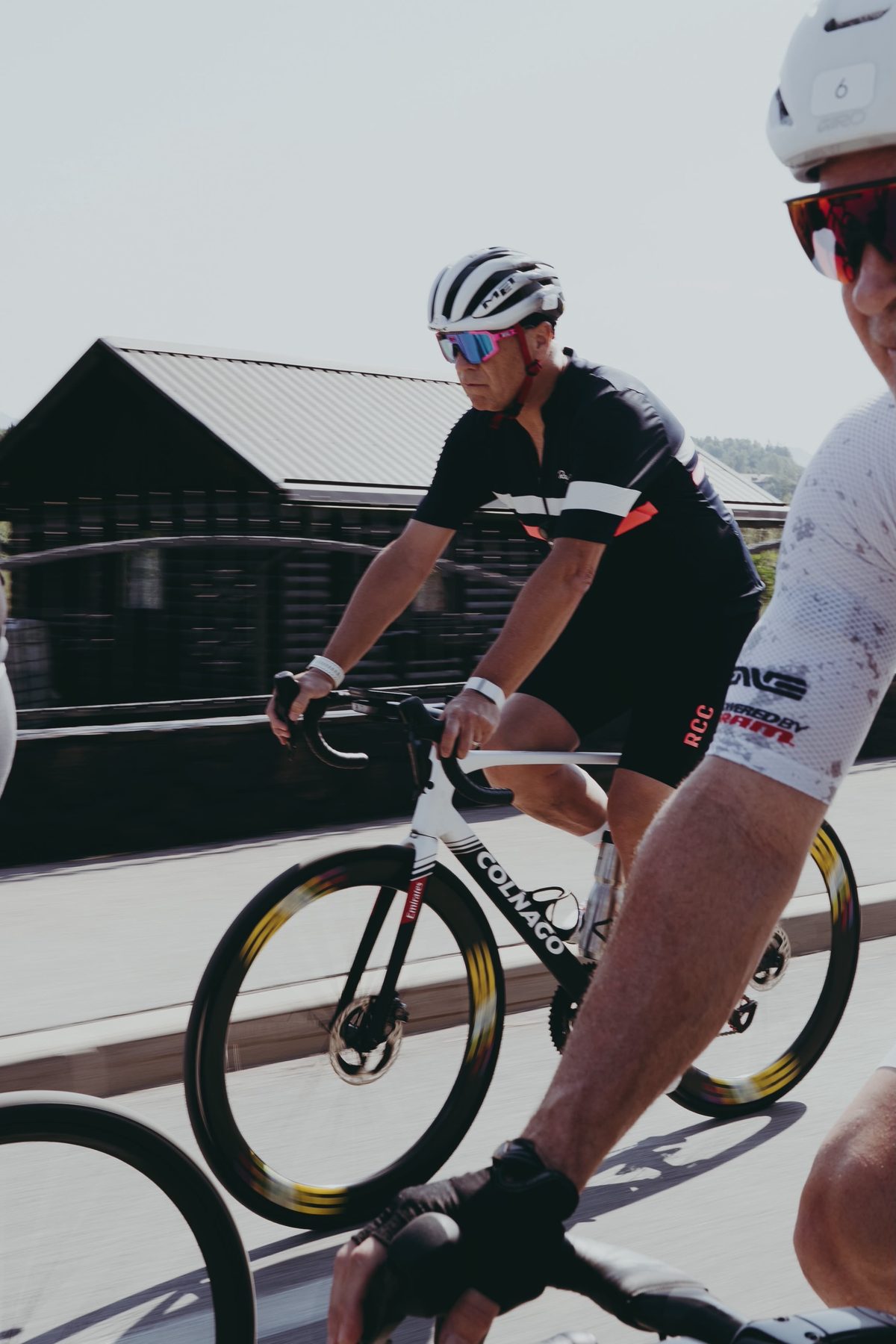
Cycling has taught me that endurance is built over time. Progress rarely comes without discomfort, and confidence grows by choosing hard things, staying with them, and discovering what you can do.
Milano–Sanremo · 2026
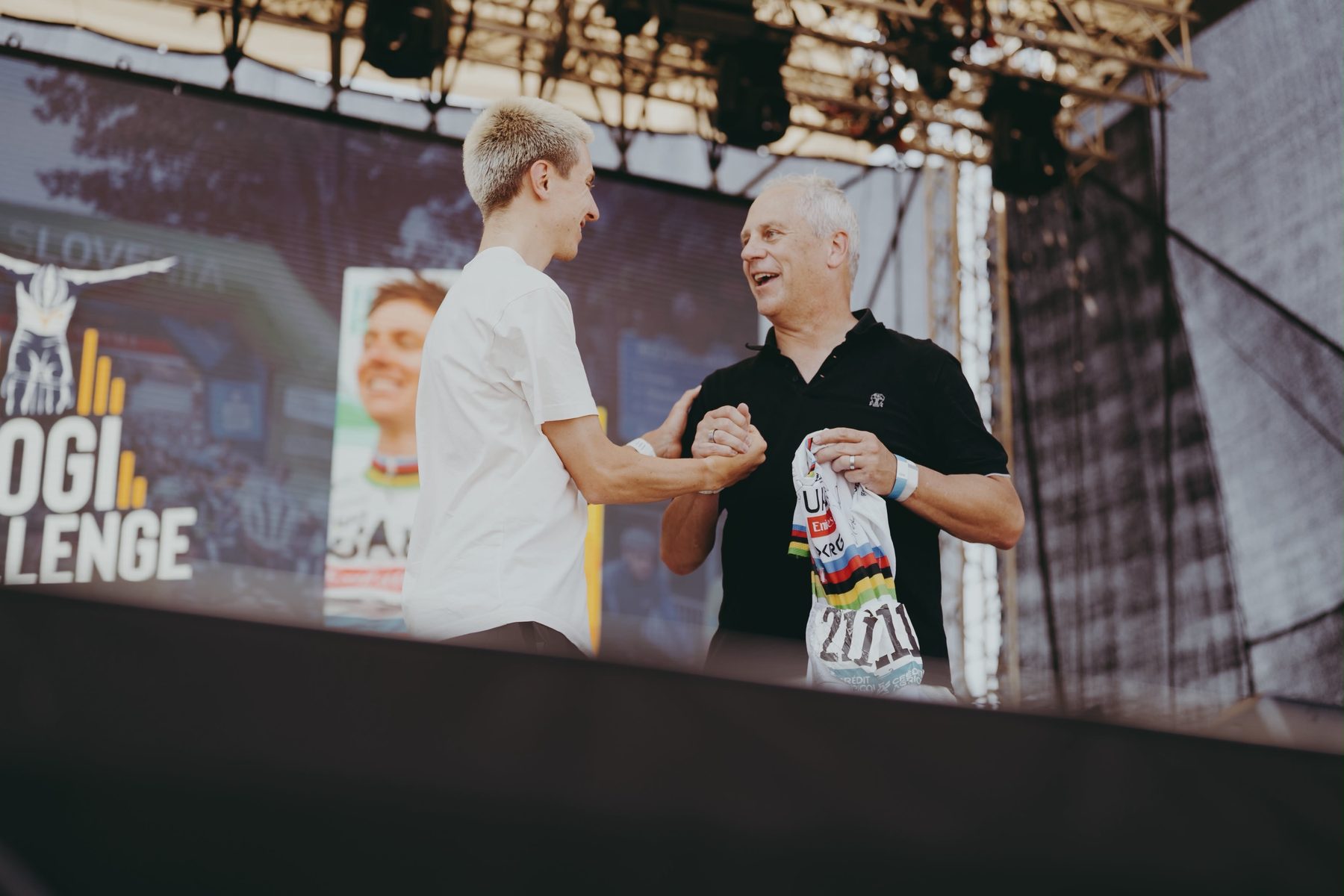
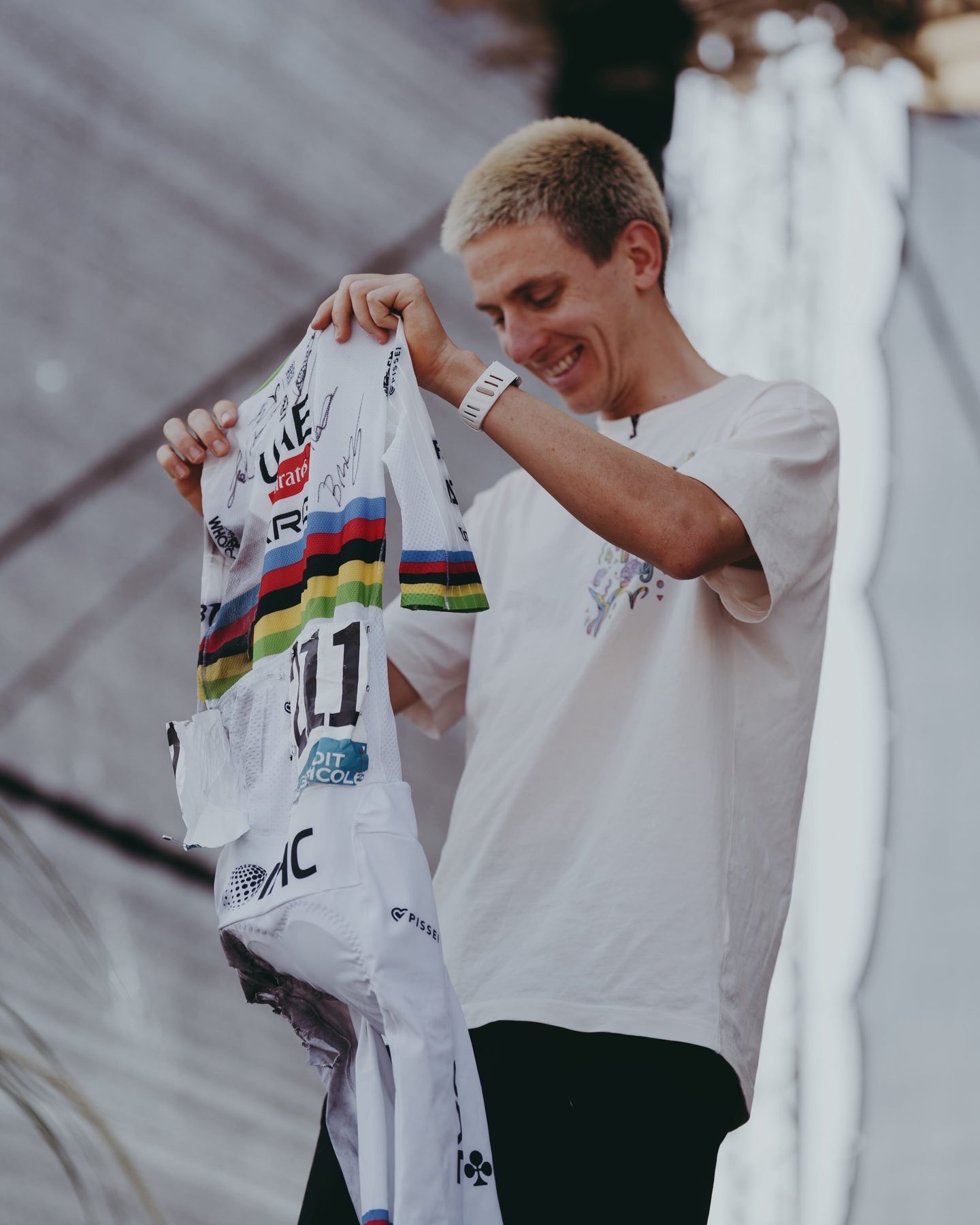
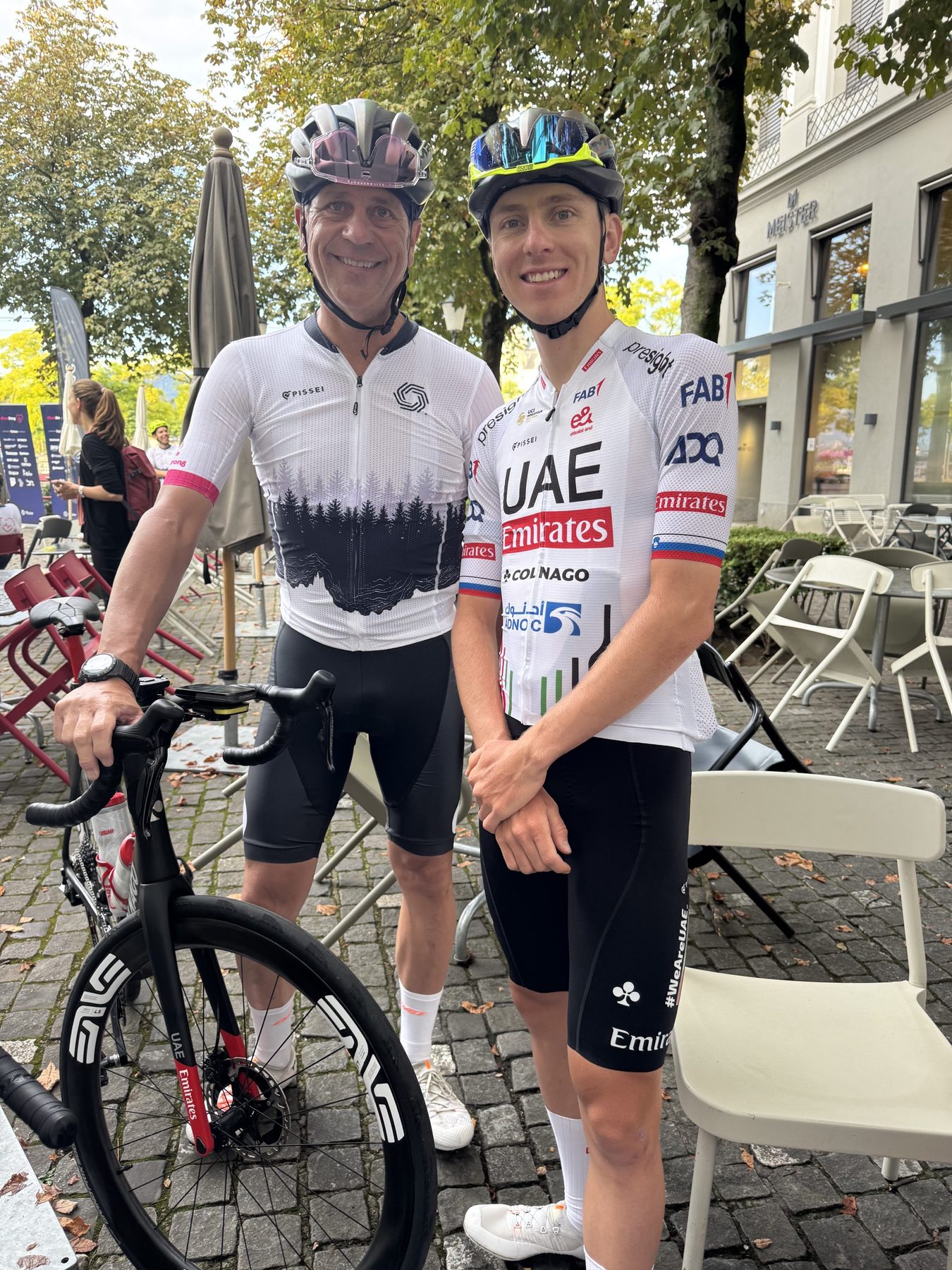
After Tadej Pogačar won Milano–Sanremo in 2026, the signed jersey from the race was auctioned to benefit the Tadej Pogačar Foundation. I placed the winning bid—and Tadej matched it.
That doubled the contribution and gave the jersey a meaning beyond the race itself. It is a remarkable piece of cycling history, but what matters most to me is what the auction made possible.
Tadej matched the winning bid—doubling the benefit to the foundation.
PlumeStrong Cycling Challenge · 2024
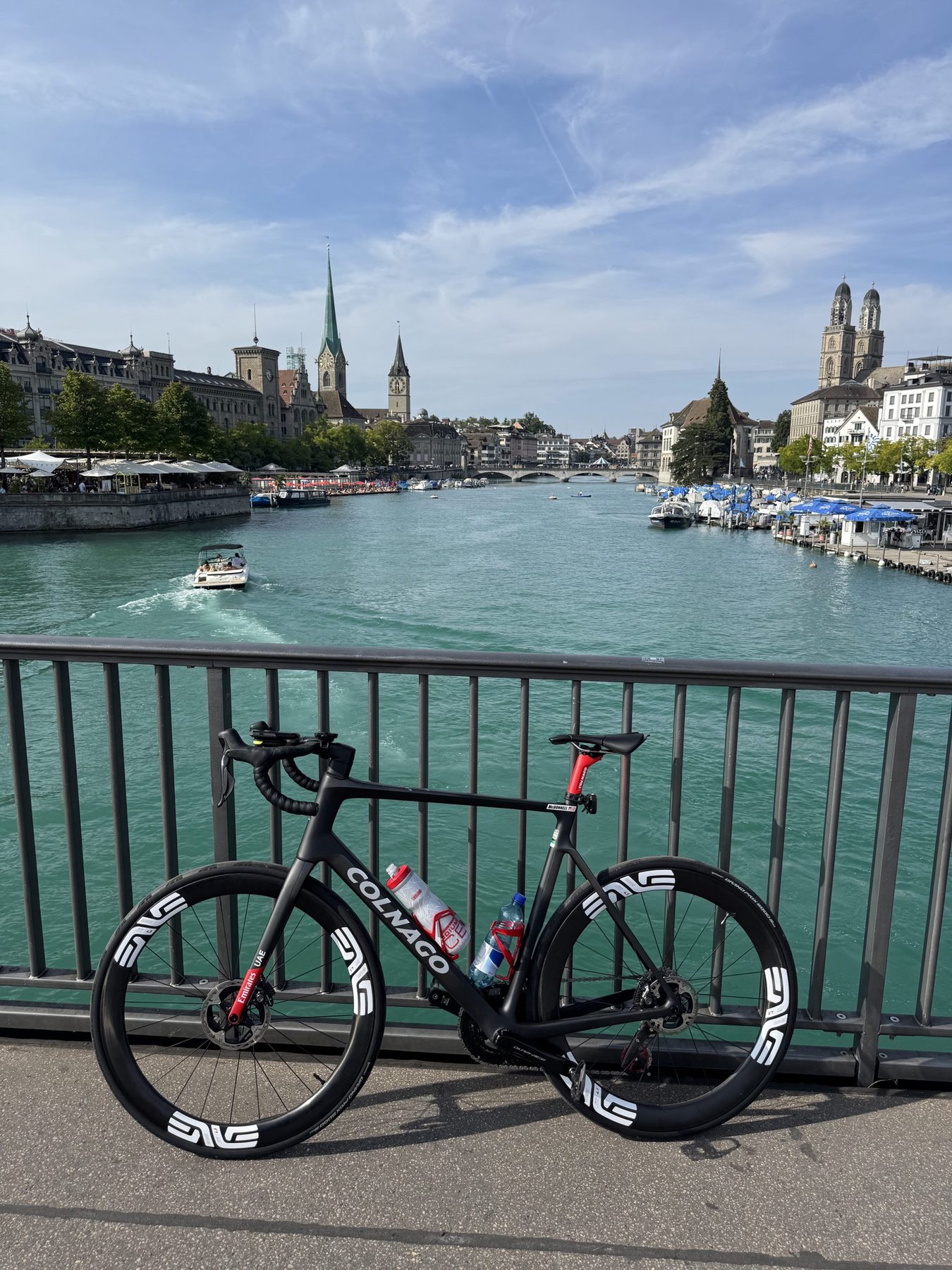
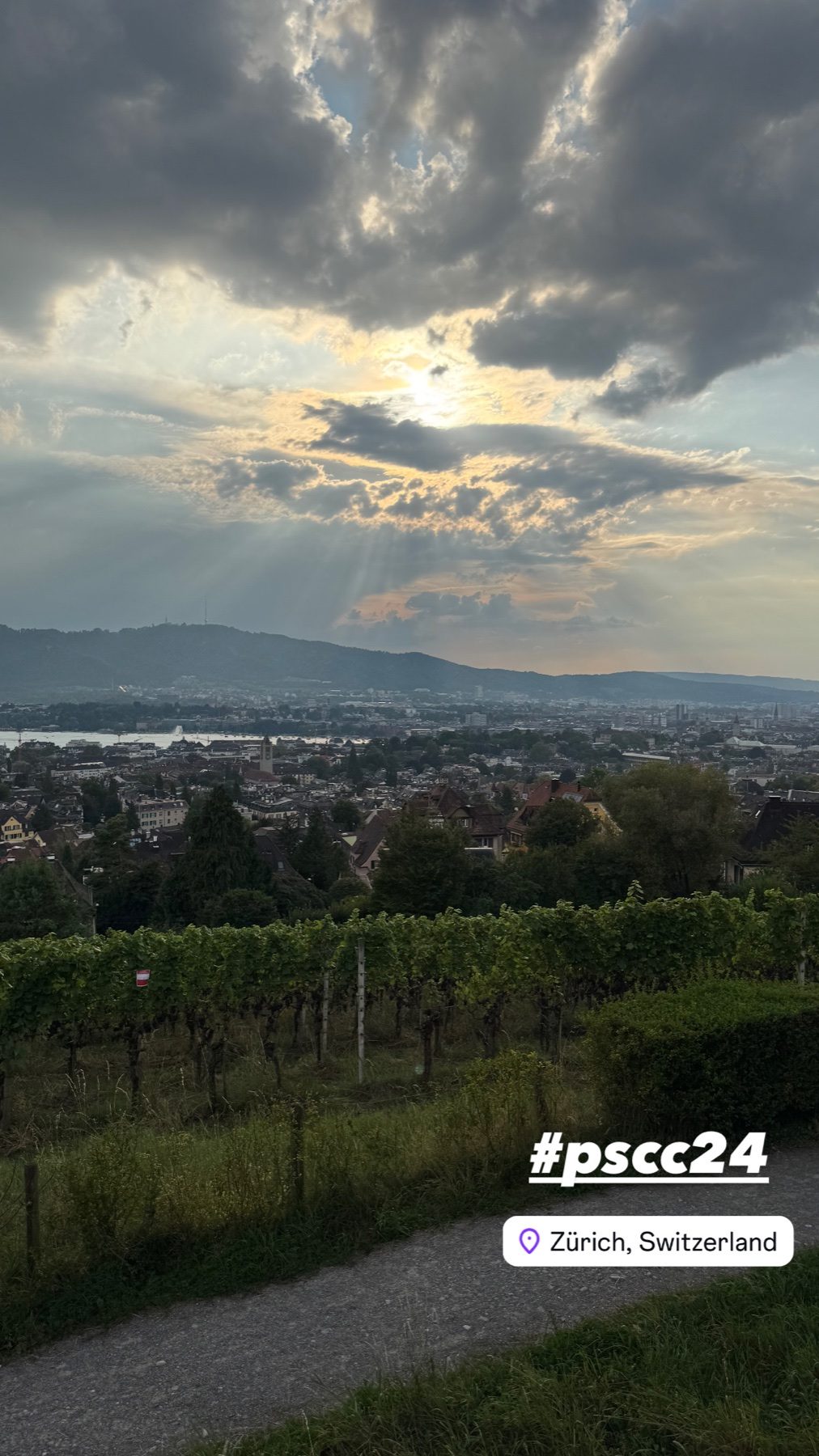
I entered the 2024 PlumeStrong Cycling Challenge by winning a charity auction. What followed was less a test of toughness than an education in pace, recovery and shared purpose—five days in which every summit simply revealed the work still ahead.
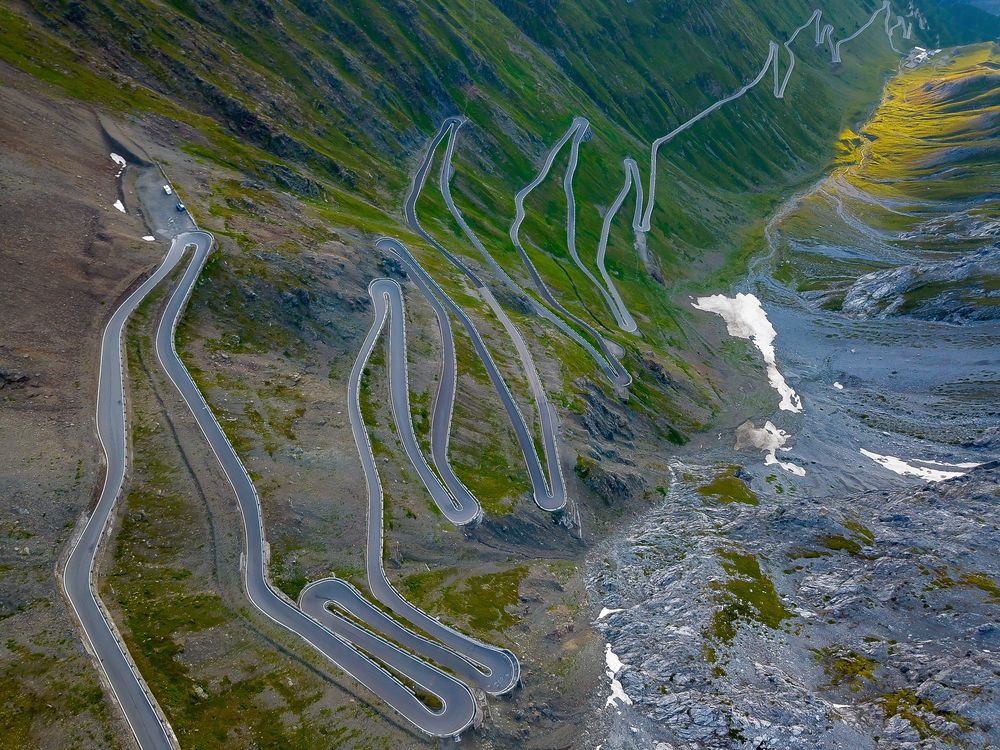
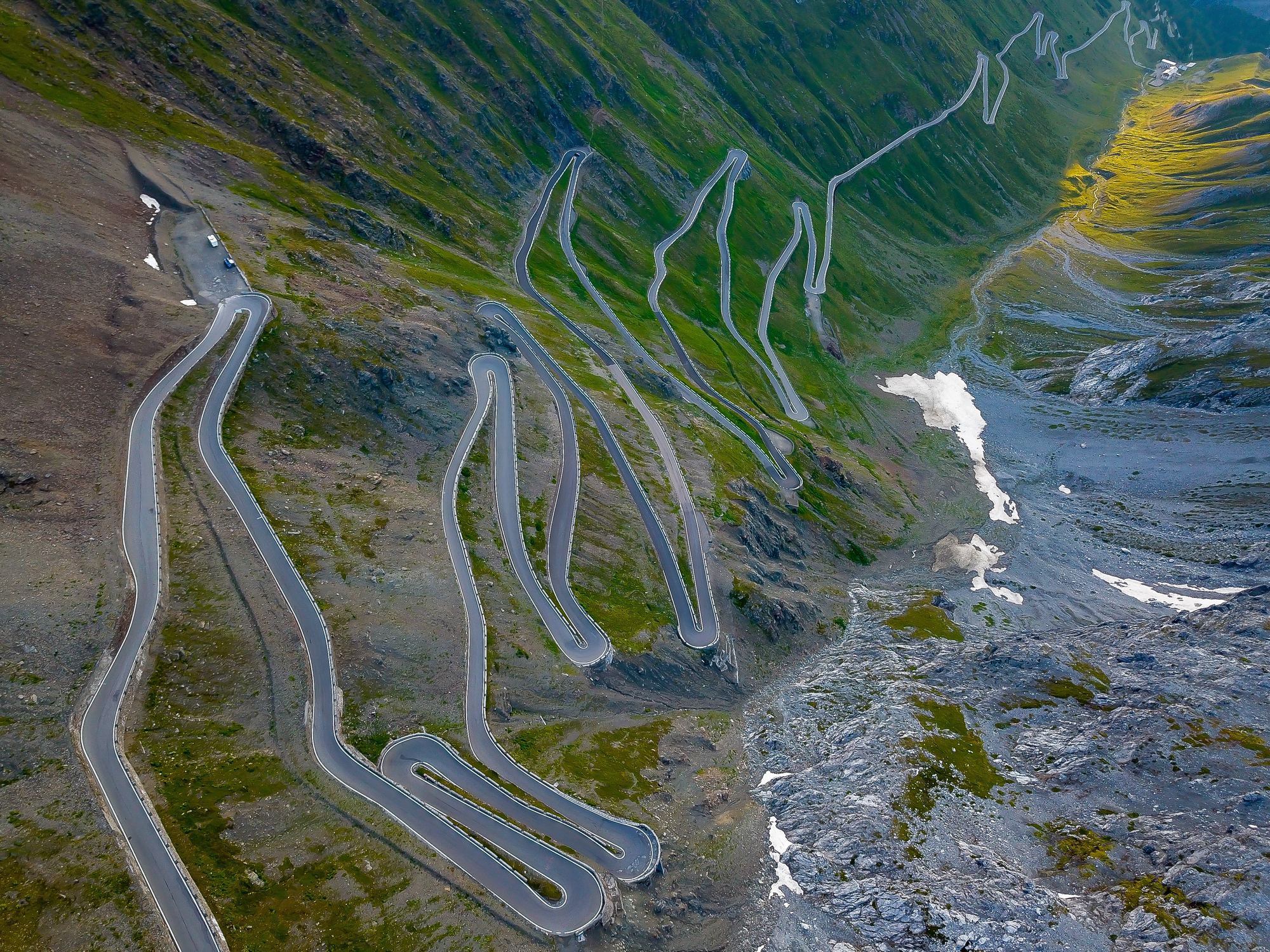
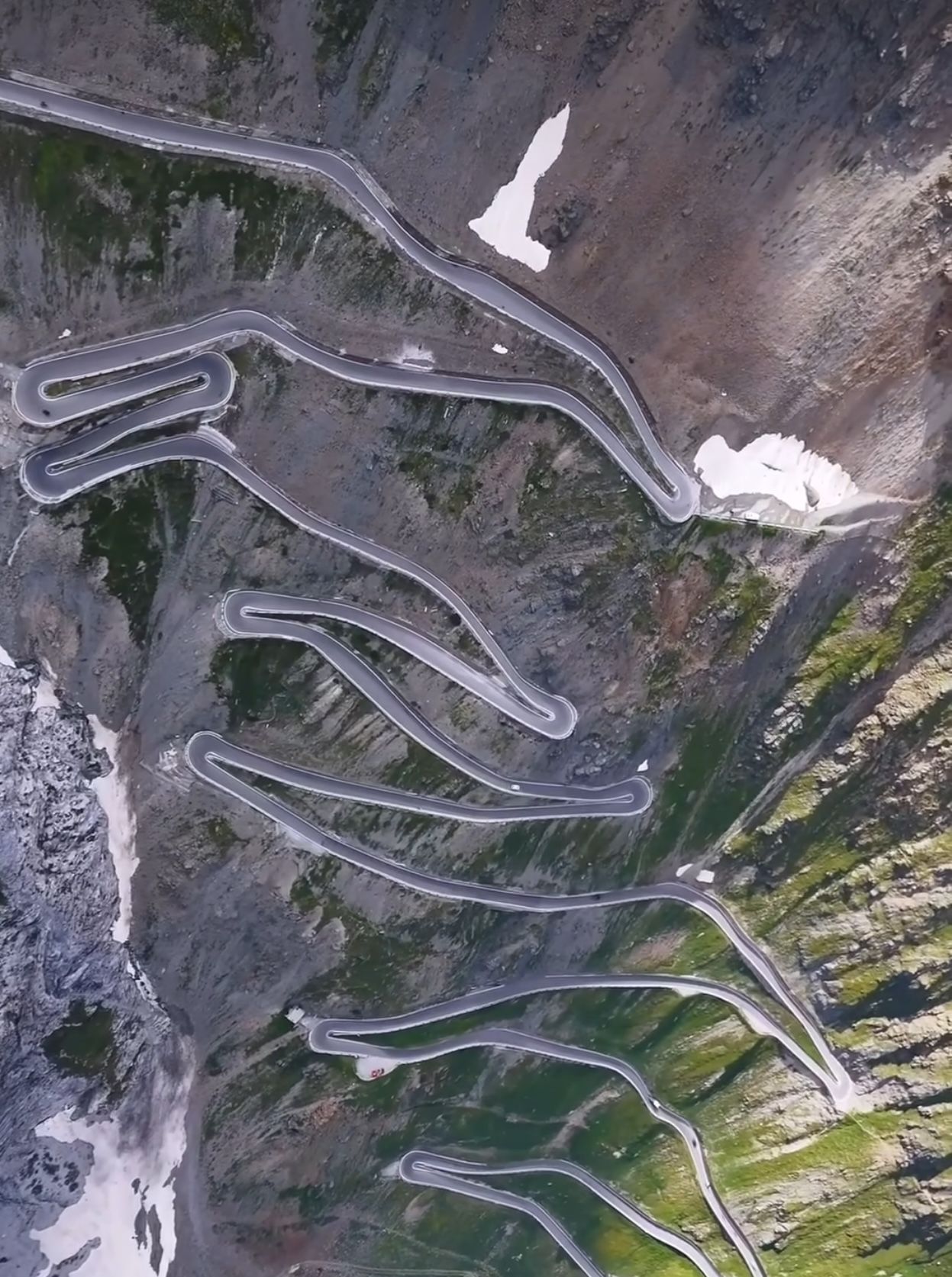
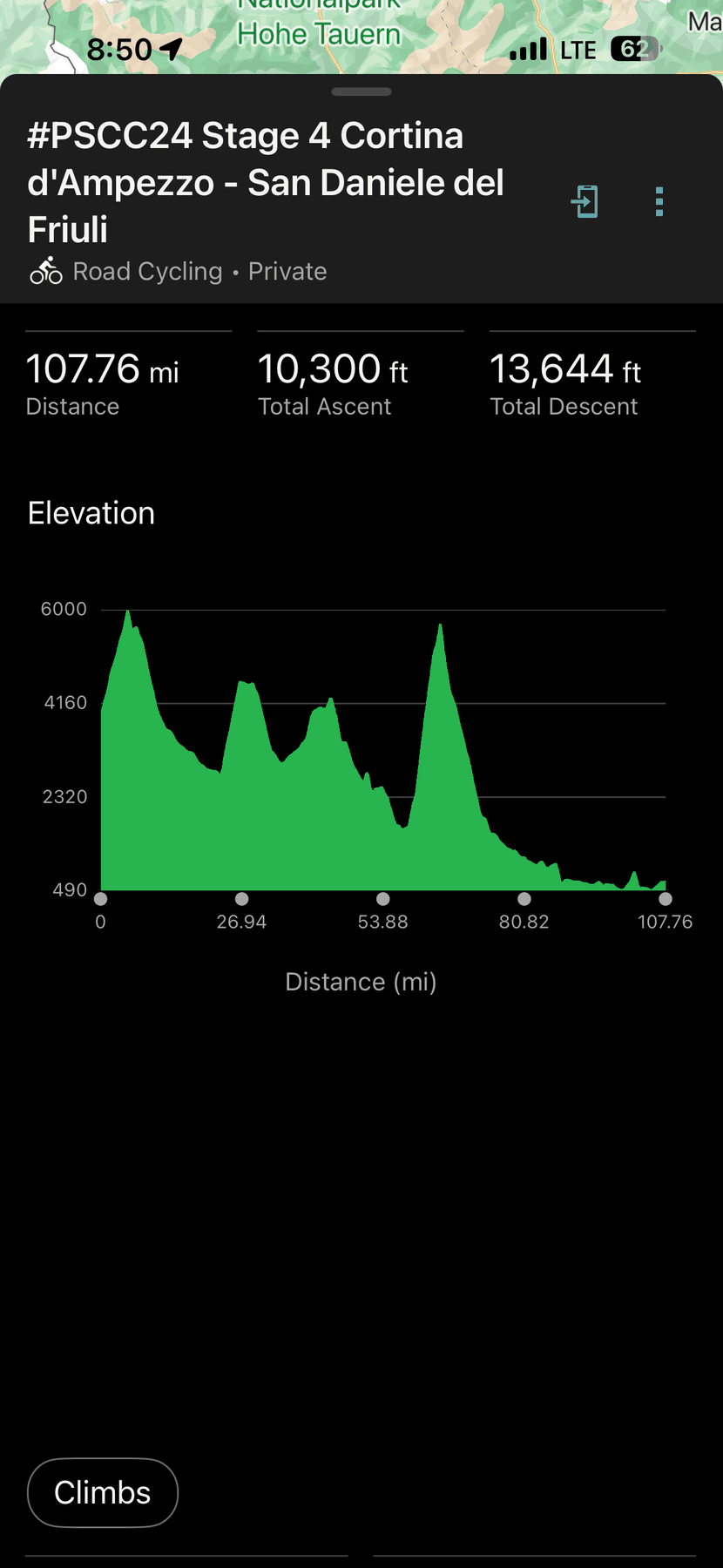
From September 2–6, we rode 824 kilometers (512 miles) from Zurich to Venice and climbed 15,201 meters (49,872 feet). The documented course began with Zurich to Klosters Platz, then crossed the Alps and Dolomites over Passo Stelvio, Passo Pordoi and Passo Falzarego. Stage 4 ran 107.76 miles (173 km) from Cortina d’Ampezzo to San Daniele del Friuli—10,300 feet (3,140 m) of climbing, including Passo Zoncolan—before the final ride to Venice.
At least 44 categorized climbs were part of the experience, including six rated Hors Catégorie. But the more important measure was the collective result: 45 riders helped raise €637,000 for Street Child’s education work, including new secondary schools in Sierra Leone.
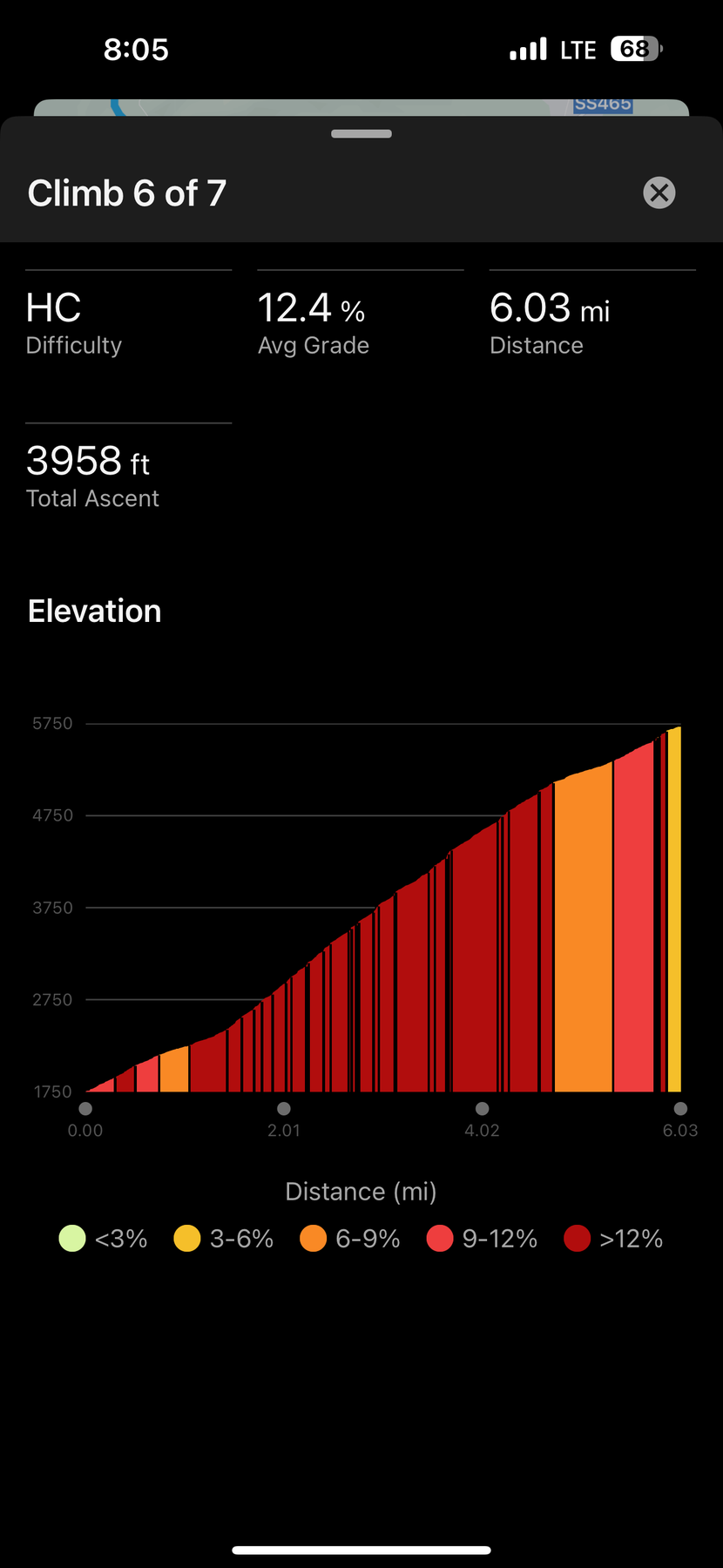
Favorite rides
Some routes become benchmarks; others are simply places I want to see again from the saddle. These are a few I return to for long, steady miles, concentrated climbing and the different perspective that comes from moving through a place at bicycle speed.
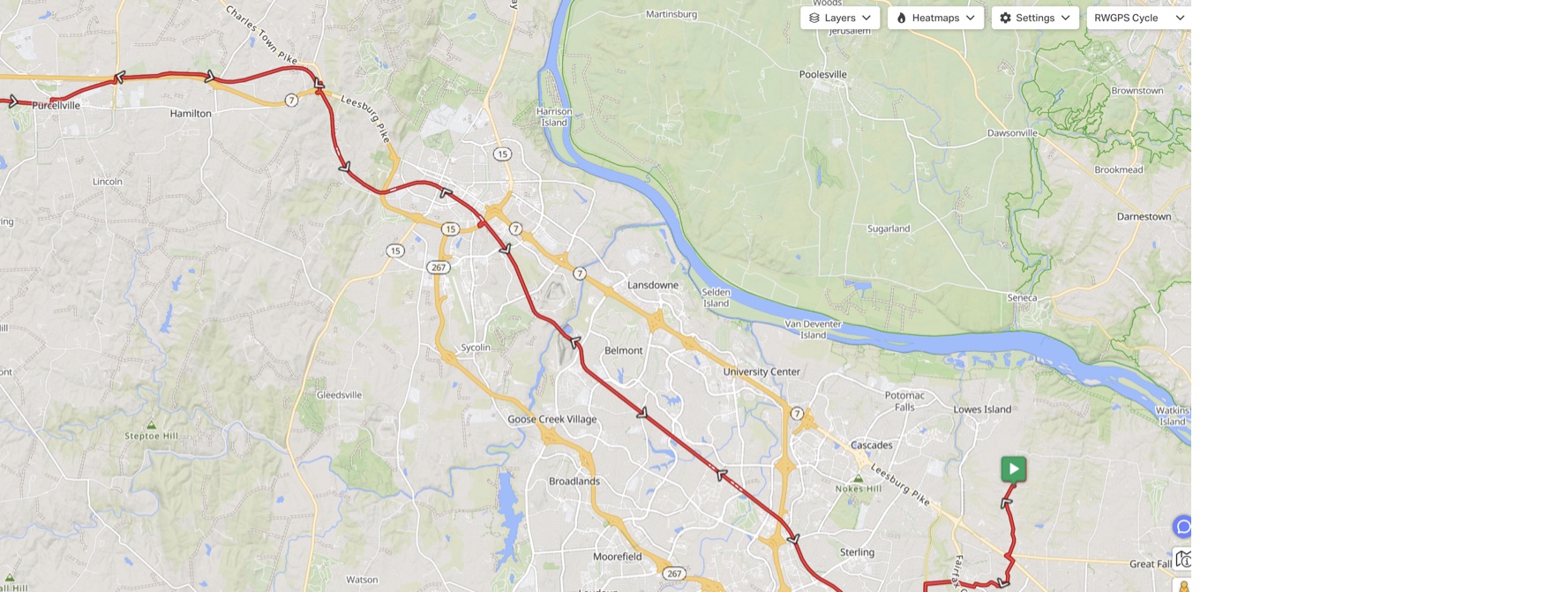
96% paved · 4% unpaved
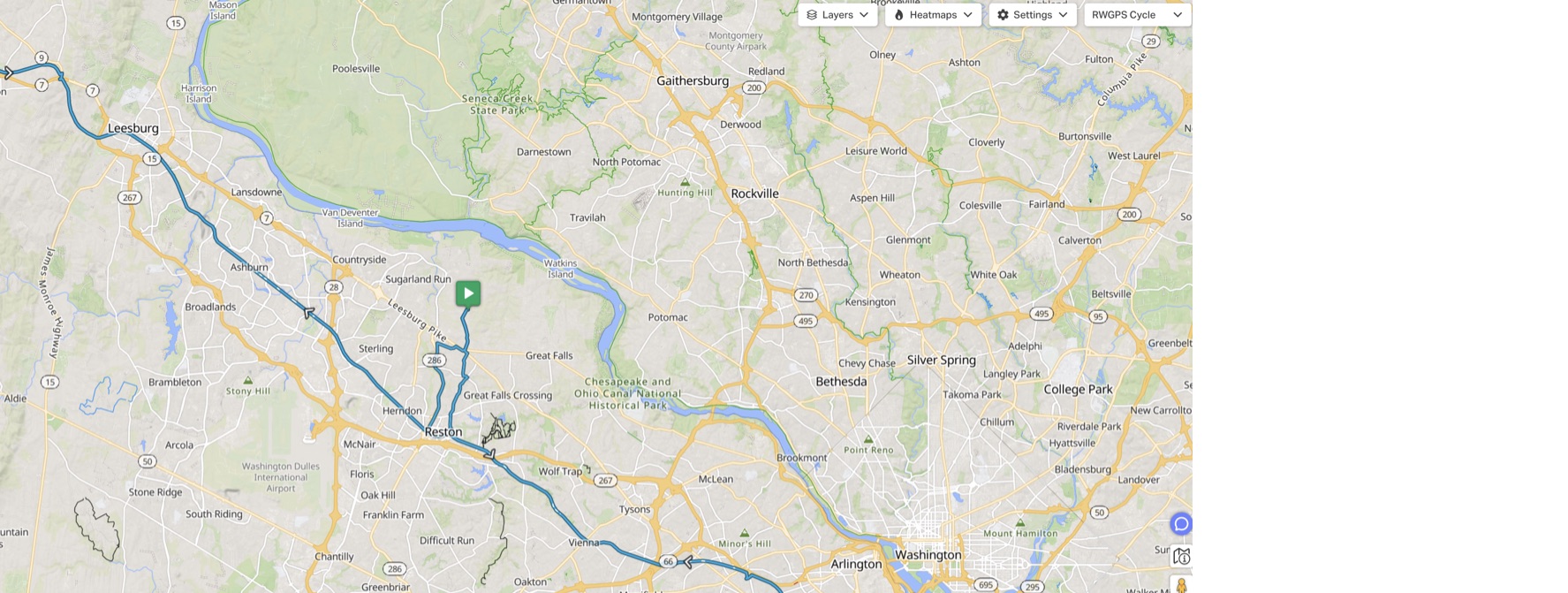
97% paved · 3% unpaved
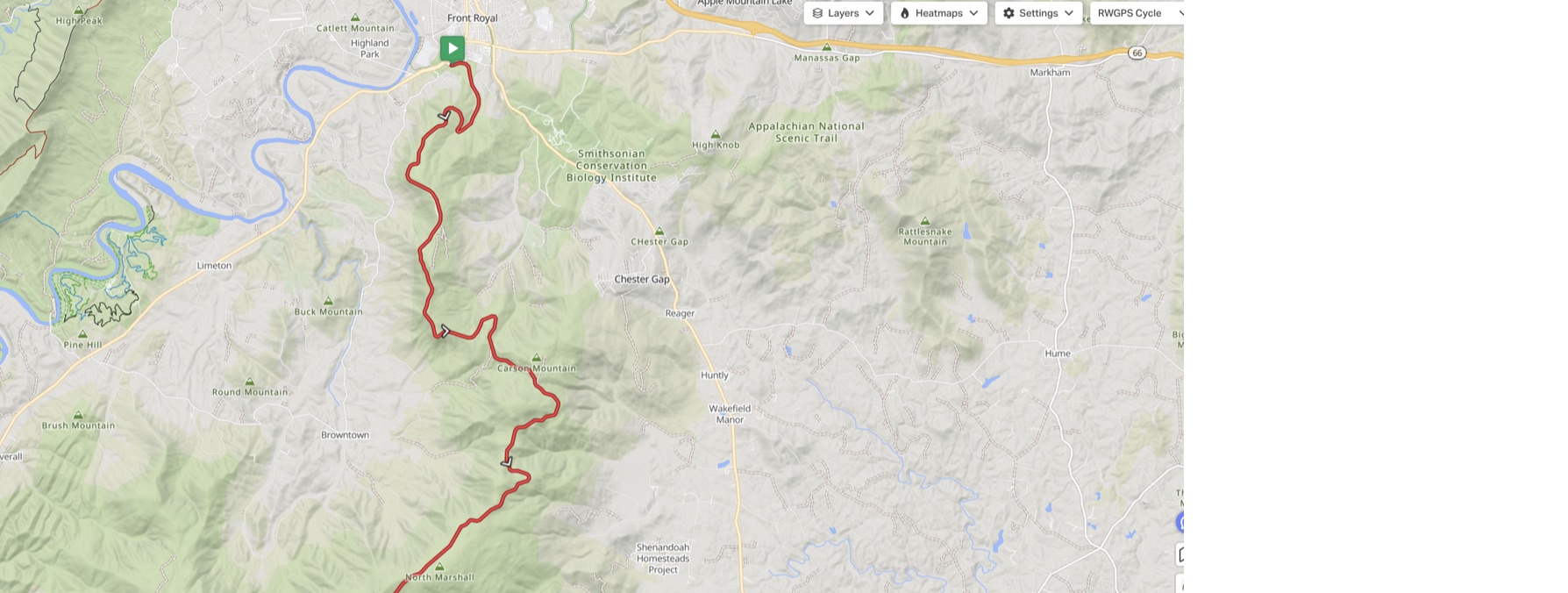
100% paved
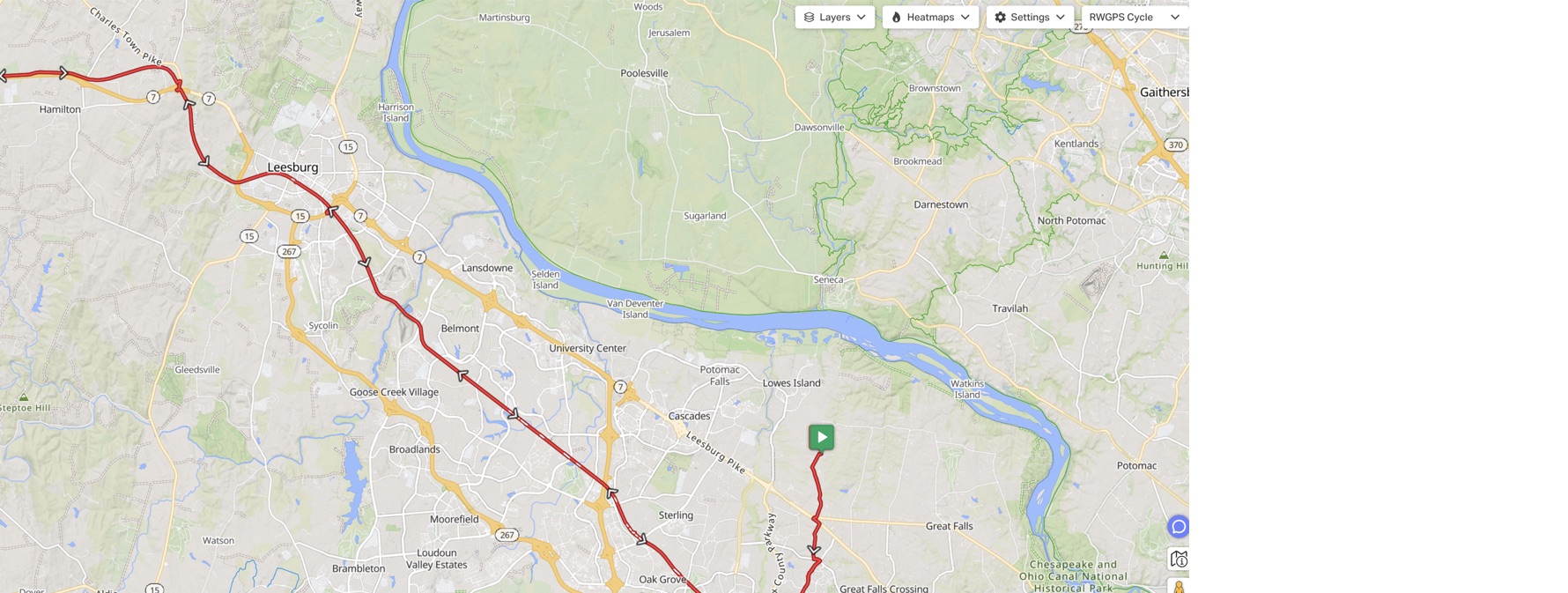
93% paved · 7% unpaved
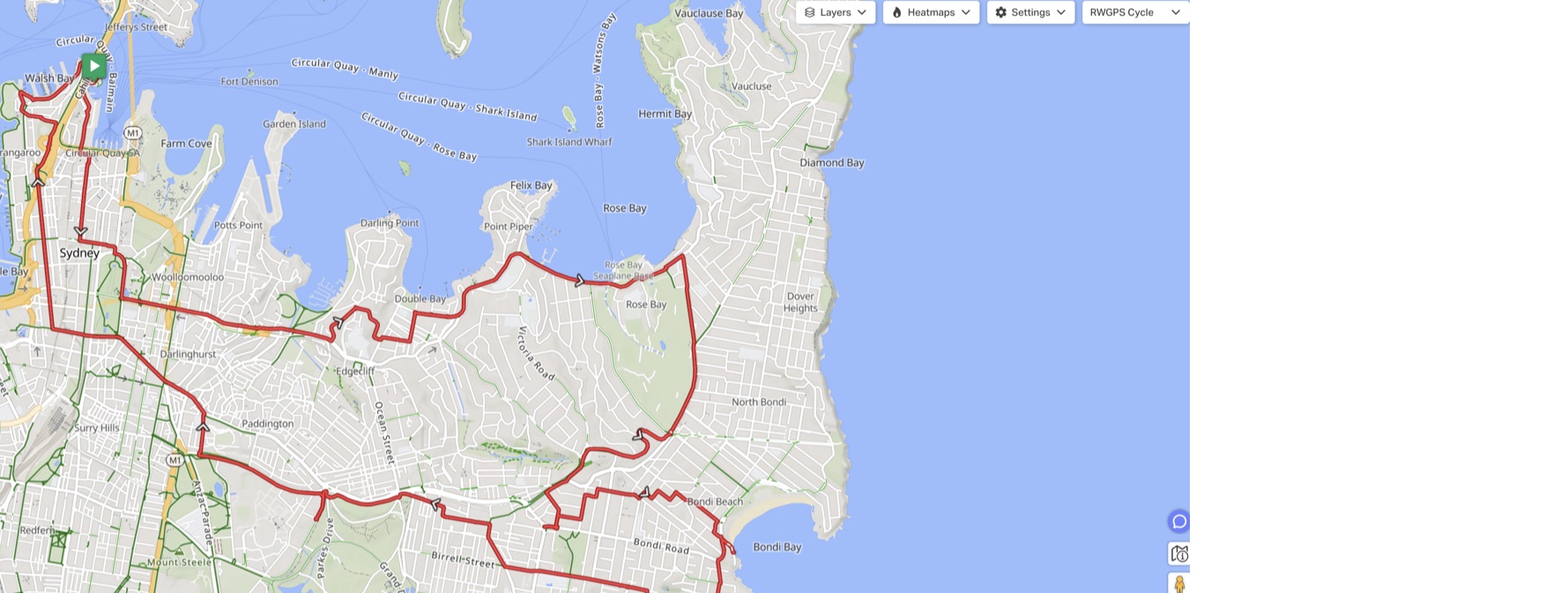
99% paved · 1% unpaved
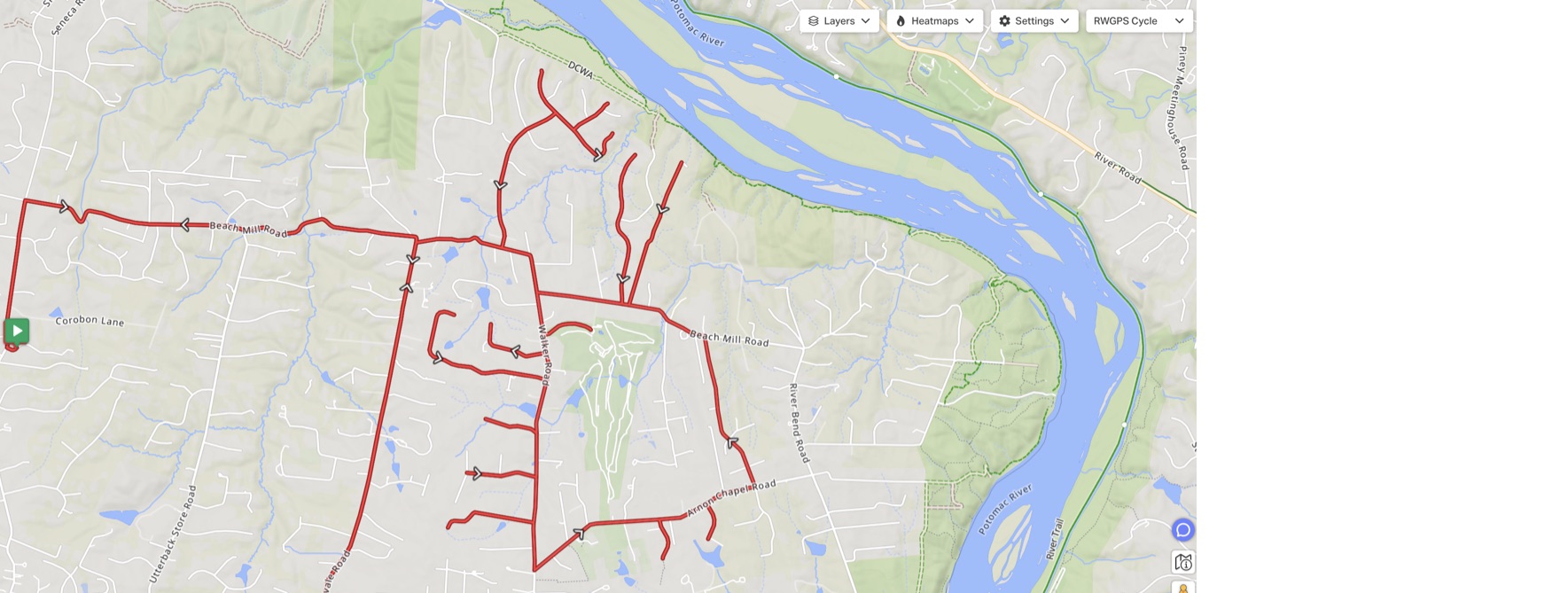
100% paved
Writing from the road
Threshold power, professional endurance, and the productive discomfort required to sustain high performance over time.
Read on LinkedIn ↗What four days through the Alps and Dolomites taught me about resilience, preparation and perspective.
Read on LinkedIn ↗Lessons in teamwork, judgment and sustained performance from cycling’s biggest stage.
Read on LinkedIn ↗A short reflection on cycling, endurance and leadership shared on LinkedIn.
View on LinkedIn ↗Prints
Every photograph is available as a print. Sizes below are the long edge × short edge; most of these frames are 3:2, and anything larger can be cut to order. Tell me which photograph and what size, and I will come back to you.
Your inquiry is with me and I will come back to you shortly.
Contact
Speaking, media, the book, or anything else. I read everything that arrives here and will come back to you myself.
Your message has arrived and I will come back to you.